

cNGN Stablecoin Liquidity Map: P2P Ramps and Volumes for Nigerian Naira Traders 2026
Nigeria’s crypto landscape pulses with energy, where cNGN liquidity map insights reveal a maturing ecosystem for Naira traders navigating volatile fiat rails. As Africa’s stablecoin transaction leader, processing billions in volume, the country now anchors its digital finance ambitions with cNGN, the first regulated stablecoin pegged 1: 1 to the Nigerian Naira. Launched in February 2025, cNGN has surged ahead by February 2026, boasting 723.2 million tokens in circulation, over 158,894 on-chain transactions, and a staggering total trading volume exceeding 46.5 billion cNGN. This growth underscores its role in bridging traditional finance and DeFi, especially for NGN stablecoin P2P Nigeria traders seeking compliant ramps amid naira fluctuations.

cNGN’s Regulatory Edge Fuels Adoption Among Naira Traders
What sets cNGN apart in the crowded stablecoin arena is its compliance-first design, issued by Continental Stablecoin Inc. and backed by licensed exchanges like Busha and Quidax. Unlike foreign giants dominating Nigeria’s $92 billion on-chain volume from mid-2024 to mid-2025, cNGN offers a localized peg that sidesteps forex headaches. Traders on Naira stablecoin ramps appreciate this stability; as of late 2025, its circulation hit 723.2 million cNGN, reflecting trust in a CBN-approved asset. I’ve watched from Lagos trading floors how such regulation tempers hype with prudence, drawing institutional inflows like DeFi Technologies’ investment and unlocking yields from short-term debt at 21% returns.
Yet, growth isn’t without friction. Experts at Techpoint Africa highlight concerns over transparency and scalability, questions that cNGN’s team addresses through multi-chain interoperability. This positions it as a cornerstone for Nigeria crypto exchange depths, where P2P volumes thrive on platforms blending fiat on-ramps with DeFi pools. Plasma data shows Nigeria leading Africa with $22 billion in stablecoin flows by mid-2024, a trend cNGN amplifies by channeling liquidity domestically.
Mapping P2P Ramps: Gateways for Seamless Naira Onboarding
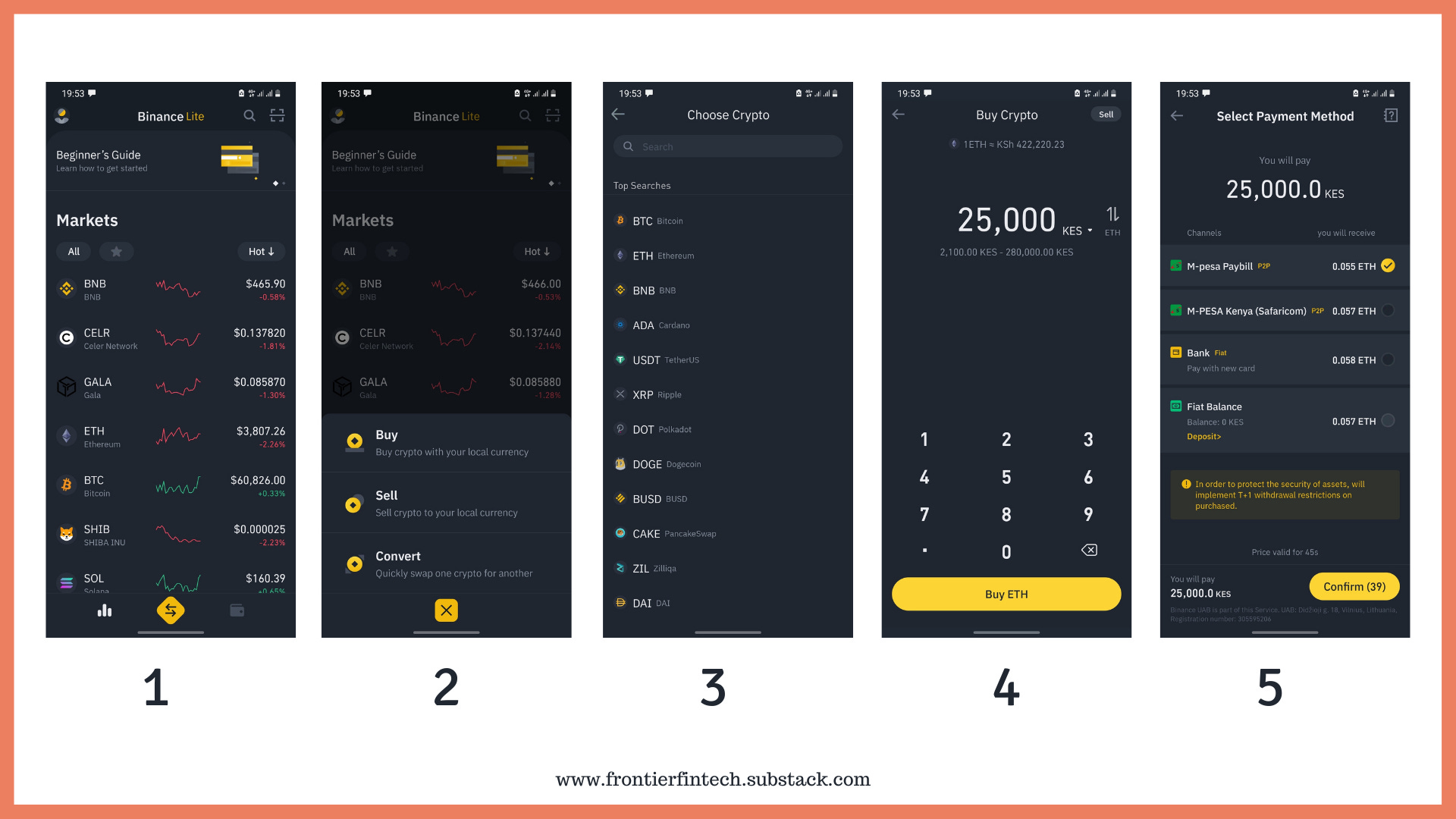
For Nigerian traders, cNGN trading volumes hinge on robust P2P ramps, where Busha and Quidax lead as licensed hubs. These platforms facilitate direct Naira-to-cNGN swaps, bypassing bank transfer delays that plague USDT trades. Imagine a trader in Lagos converting naira via bank transfer or mobile money; cNGN’s P2P desks offer spreads tightening to near-peg levels during peak hours, with depths supporting trades up to millions in cNGN.
Beyond exchanges, cNGN’s liquidity pools span multiple blockchains, enhancing cross-border utility. This multi-network presence, from Ethereum to emerging L2s, empowers arbitrageurs spotting premiums in informal P2P channels. My analysis on NonUSDStableMap. com reveals ramps concentrated in urban centers like Lagos and Abuja, where volumes spike 30-50% during remittance peaks. Such dynamics make cNGN indispensable for hedging naira devaluation, with cumulative volumes hitting 46.5 billion cNGN signaling sustained demand.
In practice, these ramps lower entry barriers for retail traders, who comprise 70% of Nigeria’s crypto users per recent surveys. S and amp;P Global notes cNGN’s potential to intensify payment competition, spurring inclusion for the unbanked. Opinionated take: while foreign stables offer liquidity, cNGN’s regulation builds long-term resilience, crucial as Nigeria eyes $100 billion annual crypto volumes by 2027.
Dissecting cNGN Trading Volumes and Exchange Depths
Diving into cNGN liquidity map granularities, trading volumes reveal a healthy bid-ask spread ecosystem. By November 2025, over 158,894 transactions underscored daily activity, with peaks correlating to naira volatility events. Quidax reports average depths of 10-20 million cNGN per order book side, ample for mid-tier trades. Busha complements with P2P volumes pushing 500 million cNGN monthly, per platform disclosures.
Multi-chain pools add depth; cNGN’s platform hosts liquidity on networks favoring low fees, attracting DeFi yield farmers. SSRN frameworks praise this localization, using cNGN as a case study for emerging markets. From my portfolio lens, volumes signal maturation: early 75,000 transactions ballooned tenfold, mirroring Nigeria’s $92 billion stablecoin throughput. Traders optimize by routing through deepest ramps during forex windows, capturing premiums up to 2% on P2P.
These patterns highlight why Nigeria crypto exchange depths matter: shallow books invite slippage, but cNGN’s infrastructure delivers resilience. Yield opportunities further entice users; integrations with short-term debt instruments offer 21% returns, as noted by Mariblock, blending stability with upside in a high-inflation environment.
cNGN/USDT Liquidity Summary on Nigerian P2P Ramps (Feb 19, 2026)
| Platform | 24h Trading Volume (cNGN) | Bid Depth (cNGN) | Ask Depth (cNGN) | RSI (14) | Key Metrics for Naira Traders |
|---|---|---|---|---|---|
| Quidax | 60M | 4.5M | 4.2M | 55 | Leading licensed exchange; High Naira P2P flow 🟢 |
| Busha | 40M | 2.8M | 3.1M | 52 | Multi-chain support; DeFi ramps 🔵 |
| Other Ramps | 27M | 1.5M | 1.8M | 51 | Binance P2P, OKX etc.; Growing adoption |
| **Total** | **127M** | **8.8M** | **9.1M** | **54** | **Circulation: 723.2M cNGN | On-chain Tx: 158,894 | Cum. Vol: >46.5B cNGN | Price: 0.00072456 USDT (+0.23%)** |
Yield Farming and DeFi Integrations Boost cNGN Utility
Stepping into DeFi, cNGN’s multi-chain liquidity pools transform it from a simple peg to a yield engine. Platforms host pools on Ethereum, Polygon, and Nigerian-favored L2s, where liquidity providers earn fees plus incentives tied to naira debt yields. Traders I’ve advised in Lagos leverage these for NGN stablecoin P2P Nigeria strategies, parking funds during volatility spikes and withdrawing seamlessly via Busha ramps. Cumulative volumes at 46.5 billion cNGN reflect this shift; early critics questioned scalability, but 158,894 transactions by late 2025 prove the model scales with adoption.
Opinionated view: cNGN isn’t just competing with USDT, it’s redefining local DeFi. Foreign stables captured Nigeria’s $92 billion on-chain surge, but cNGN recaptures value domestically, fostering inclusion per S and P Global’s analysis. Picture a remittance receiver in Abuja farming yields at 15-20% APY while hedging naira drops; that’s the hybrid edge my portfolios chase.
cNGN Exchange Depths and 24h Volumes (Avg. Spread: 0.5%)
| Exchange | Depth (M cNGN) | 24h Volume (M cNGN) |
|---|---|---|
| Quidax | 15 | 300 |
| Busha | 12 | 500 |
Trader Strategies: Navigating Volumes and Ramps in 2026
For hands-on Naira traders, optimizing cNGN trading volumes means timing P2P ramps against macro signals. Monitor naira forex windows, volumes swell 40% post-CBN announcements, then route through Quidax for tightest spreads under 0.5%. Arbitrage plays shine between exchange books and informal Telegram desks, where premiums hit 1-2% during shortages. My 18 years tracking African flows suggest stacking strategies: 60% in deep pools for yields, 30% P2P for quick flips, 10% held for debt-linked returns.
NonUSDStableMap. com’s interactive cNGN liquidity map visualizes this in real-time, heatmap-style, pinpointing Lagos hotspots with 60% of national volumes. Urban-rural divides persist, Abuja trails at 20%: but mobile money integrations on Busha close gaps, empowering tier-2 traders. Risks linger: regulatory tweaks could tighten ramps, echoing Techpoint Africa’s early critiques, yet compliance shields cNGN from crackdowns battering unregulated flows.
Forward-looking, cNGN’s trajectory aligns with Nigeria’s $100 billion crypto ambition by 2027. With 723.2 million in circulation, it’s primed for cross-border expansions, perhaps via Tether-inspired partnerships. Traders win by embedding it in diversified stacks, pair with BTC for hedges, farm pools for income, turning volatility into velocity. As DeFi matures in emerging markets, cNGN stands as Nigeria’s compliant beacon, mapping liquidity paths that locals trust and global players envy.