Non-USD stablecoins are growing fast
The market for non-USD stablecoins is expanding rapidly. Circulating supply has reached $2 billion, with over 42% growth in 2026 alone. This surge reflects a shift toward local currency solutions that bypass traditional banking rails. Platforms like Polygon now list over 30 non-USD options across LATAM, APAC, and EMEA, bringing local currencies onchain with low-cost settlement.
These assets offer distinct advantages for specific regions. For example, the Mexican peso-pegged stablecoin offers a hedge against local inflation and faster remittance times for families in Mexico. Similarly, the Brazilian real-pegged stablecoin simplifies cross-border trade for South American businesses. These tools provide stability and speed where traditional fiat systems are slow or expensive.
However, adoption requires careful due diligence. Regulatory frameworks vary significantly by jurisdiction. In the EU, the MiCA regulation imposes strict reserve requirements. In other regions, oversight may be less defined. Always verify the issuer’s transparency reports and reserve audits. Understanding the legal standing of these assets is essential for safe usage.
Non-usd stablecoins choices that change the plan
Choosing a non-USD stablecoin requires evaluating three concrete factors: regulatory jurisdiction, currency peg stability, and settlement speed. Unlike USD-pegged assets, these tokens offer direct access to local liquidity but introduce distinct risks regarding reserve transparency and legal recourse.
The following table compares the primary tradeoffs across the most common non-USD stablecoin categories. Use this matrix to determine which asset aligns with your specific cross-border payment needs.
| Category | Peg Mechanism | Primary Risk | Best For |
|---|---|---|---|
| Local Fiat (e.g., EUR, BRL) | 1:1 Fiat Reserve | Regulatory changes in issuing jurisdiction | Intra-regional B2B payments |
| Crypto-Backed (e.g., DAI) | Overcollateralized Crypto | Smart contract exploits & oracle failures | DeFi integrations & high-risk environments |
| Algorithmic (e.g., UST-style) | Market Mechanisms | Death spiral & loss of peg | Speculative trading (avoid for payments) |
| Commodity-Backed (e.g., Gold) | Physical Asset | Storage costs & liquidity constraints | Inflation hedging & long-term value storage |
When evaluating these options, prioritize assets issued in jurisdictions with clear, established stablecoin frameworks. The European Union’s MiCA regulation, for instance, provides a standardized legal baseline that reduces ambiguity for European issuers. Similarly, jurisdictions like Singapore and Switzerland have defined clear paths for reserve auditing.
Avoid algorithmic stablecoins for payment infrastructure. Their reliance on market mechanics rather than tangible reserves makes them susceptible to rapid de-pegging events, as seen in previous market collapses. For cross-border payments, stability is paramount; algorithmic models introduce unacceptable volatility.
Always verify the reserve composition. Reputable issuers provide monthly attestation reports from independent accounting firms. If an issuer cannot produce a clear, third-party-verified audit of their fiat or crypto reserves, the asset should be considered too risky for business use.
Choose the next step
2026 guide: How Non-USD Stablecoins Are Reshaping Global Cross-Border Payments works best as a clear sequence: define the constraint, compare the realistic options, test the tradeoff, and choose the path with the fewest hidden costs. That order keeps the advice usable instead of decorative. After each step, pause long enough to check whether the recommendation still fits the reader's actual situation. If it depends on perfect timing, unusual access, or a best-case budget, include a simpler fallback.


Avoid the Weak Options
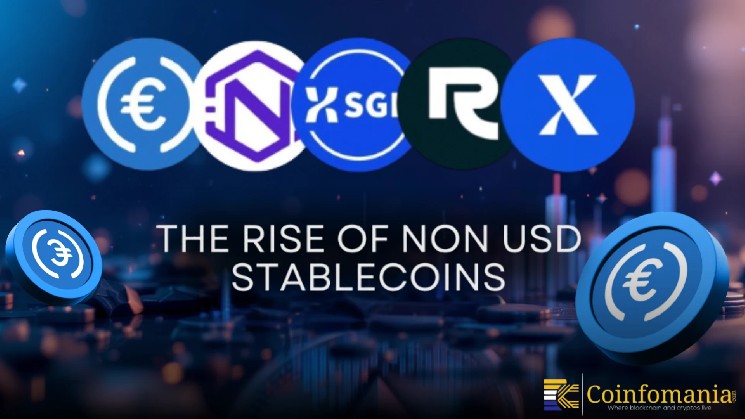
Not every non-USD stablecoin is built for cross-border reliability. The sector has surged by over 42% in 2026, reaching a $2 billion circulating supply, but this growth includes projects with thin liquidity or opaque reserves. When moving funds across borders, you need to distinguish between robust infrastructure and speculative tokens that may fail under pressure.
Start by checking the underlying chain. Platforms like Polygon host over 30 non-USD stablecoins across LATAM, APAC, and EMEA, offering low-cost settlement. However, simply being on a chain does not guarantee safety. Verify that the stablecoin has deep liquidity pools on reputable decentralized exchanges. If you cannot swap the token for its fiat equivalent quickly and cheaply, it is not a viable payment tool.
Another common mistake is ignoring regulatory clarity. Some stablecoins operate in legal gray areas, risking sudden delistings or freezes. Prioritize assets with clear audit trails and transparent reserve backing. Avoid tokens that promise high yields as incentives for holding; these are often unsustainable models that erode the peg. Stick to established issuers with public, regular attestations of their reserve assets.
Non-usd stablecoins: common: what to check next
Before integrating non-USD stablecoins into your workflow, it helps to clarify how they differ from the dominant US dollar assets and what role they play in the broader financial ecosystem.
No comments yet. Be the first to share your thoughts!