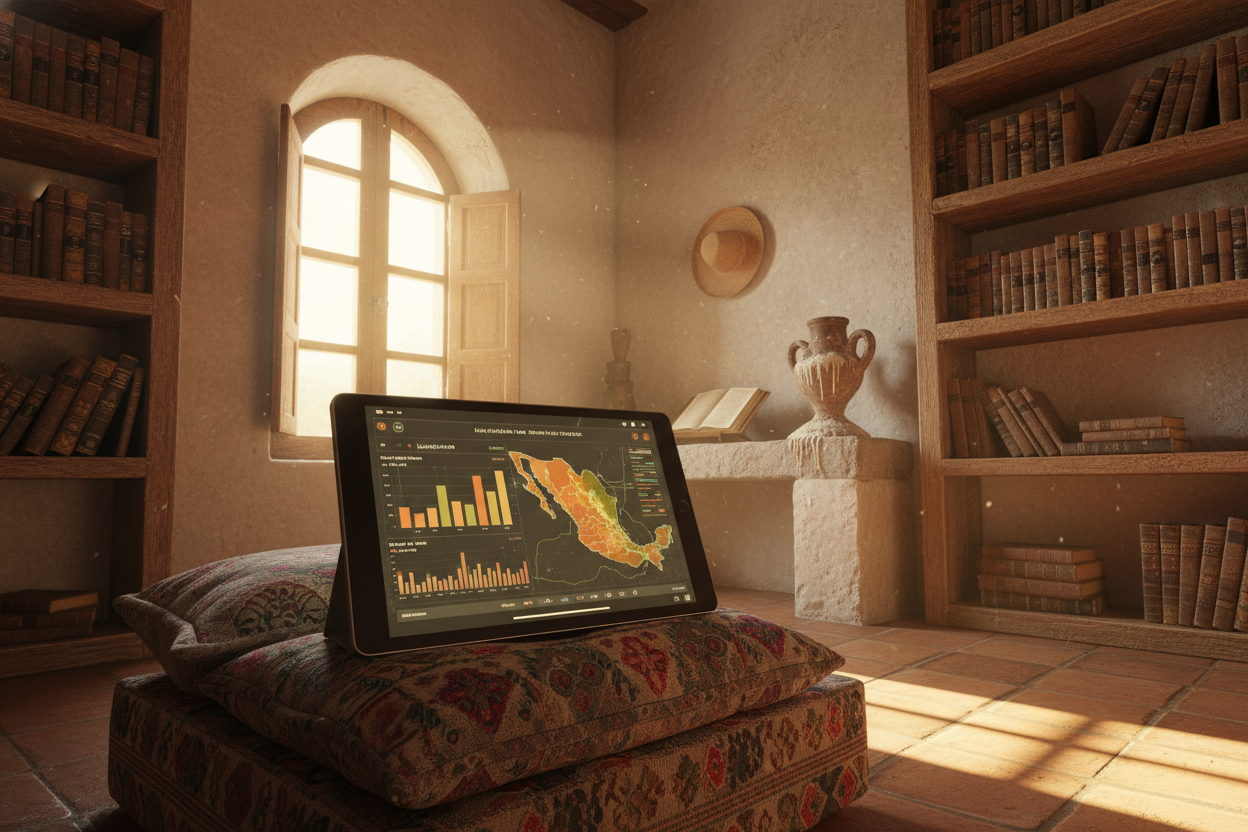

MXN Stablecoin Liquidity Maps 2026: Top P2P Ramps and DEX Depths in Mexico
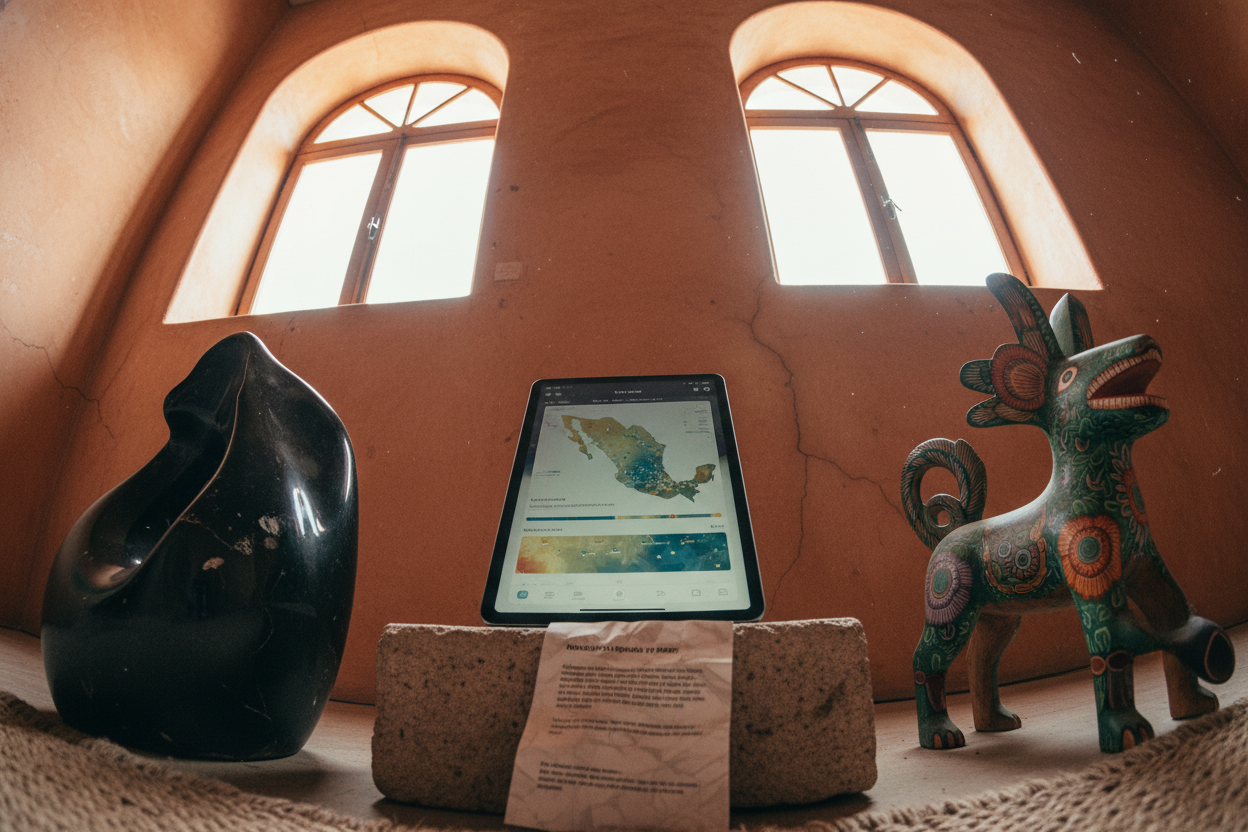
In the volatile landscape of emerging markets, Mexican Peso (MXN) stablecoins have solidified their role as vital tools for traders navigating MXN stablecoin liquidity maps. As of February 2026, these assets offer critical stability amid currency fluctuations, with platforms like NonUSDStableMap. com delivering real-time insights into P2P ramps and DEX depths across Mexico. This growth reflects broader Latin American trends, where stablecoin transaction volumes surged 89% year-over-year, fueled by a $142 billion remittance market.

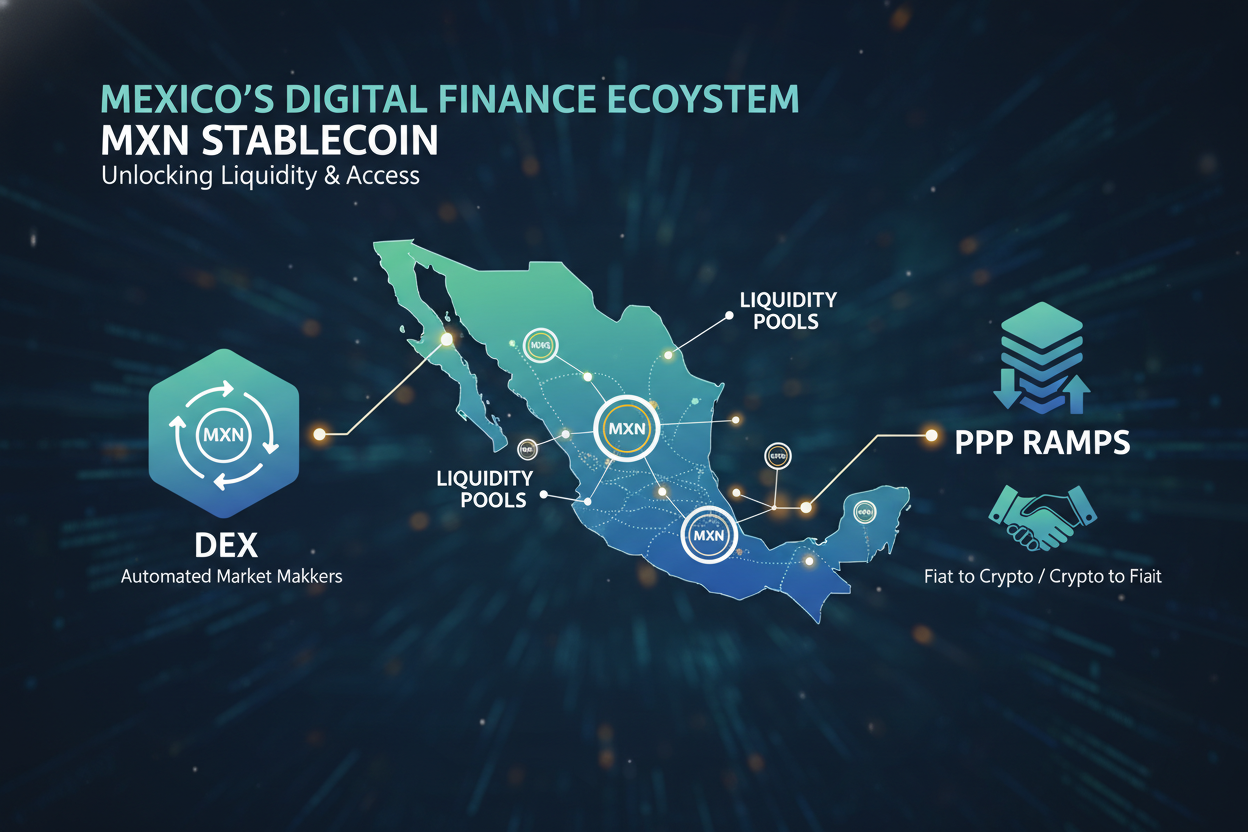
The appeal lies in their pegged value to the MXN, enabling seamless on-chain transactions for local finance professionals and DeFi enthusiasts. Yet, investors must remain vigilant; while yields attract capital, risks from peg deviations and regulatory shifts demand cautious strategies focused on risk-adjusted returns.
Latin America’s Stablecoin Boom Drives MXN Adoption
Latin America stands as the fastest-growing stablecoin region globally. Institutional investors now allocate 75% of their portfolios to these assets, up sharply from 48% in 2024. Benefits include superior 4% APY, instant cross-border settlements, and reduced fees, as seen with a Brazilian firm holding $10 million in USDC for trade finance.
For Mexico, this momentum translates directly into heightened Mexican peso stablecoin volumes 2026. Ripio’s wMXN, a fully collateralized 1: 1 peg, exemplifies this shift, bringing fiat liquidity on-chain. Meanwhile, the overall stablecoin market cap climbed $2.08 billion in early February 2026, with Tron and Solana inflows underscoring network efficiency.
Stablecoins graduate from experimental tools to core institutional plumbing in 2026, delivering 24/7 real-time value.
Daily, 10 million addresses transact in stablecoins, with over 150 million holding balances. In Mexico, this infrastructure supports arbitrageurs tracking MXN DEX liquidity pools, where sustained volumes signal maturing ecosystems.
Navigating Top Mexico P2P Stablecoin Ramps
P2P ramps serve as the gateway for MXN inflows, bridging traditional finance and crypto. Platforms integrated with over 100 fiat currencies, including SWIFT, facilitate secure on-ramps for affluent users. Ripio’s expansion into peso stablecoins highlights early traction, with wARS volumes hitting $200,000 in December 2025 before settling at $160,000 in January 2026.
For Mexican traders, these ramps offer competitive rates amid high volatility. NonUSDStableMap. com’s interactive tools reveal real-time spreads, empowering users to identify optimal entry points. However, professionals advise verifying counterparty risks and monitoring regulatory updates from bodies like Banxico, as P2P volumes can amplify during peso weakness.
These ramps not only boost accessibility but also underpin Mexico P2P stablecoin ramps strategies, where liquidity depth determines execution quality during peak hours.
Deep Dive into MXN DEX Liquidity Depths
Decentralized exchanges dominate MXN crypto exchange depths, with Uniswap leading at $426 million in total volume across Ethereum L2s. Aerodrome follows closely, amassing $25.8 million, largely from MXNe-USDC pairs on Base.
MXNB pairs shone in May 2025, with MXNB-WAVAX at $29.7 million and MXNB-USDC at $18.6 million trading volumes; three MXN pairs now rank in the top ten for local stablecoin DEX activity. MXNe’s liquidity pools hold $18.3 million in MXNe-USDC, with volumes escalating from $1.13 million in March to $6.6 million by July 2025.
Such depths enable efficient swaps, but slippage risks persist in thinner pools. Traders on NonUSDStableMap. com leverage these maps to pinpoint high-depth venues, optimizing for low-impact trades in volatile sessions.
While these figures paint a promising picture, achieving optimal execution requires more than volume awareness. Depth metrics on NonUSDStableMap. com reveal how order books withstand large trades without significant price impact, a crucial factor for institutional flows in Mexico’s MXN crypto exchange depths.
Key MXN Stablecoin Liquidity Pools to Watch
MXNB’s ascent positions it as a frontrunner, with its WAVAX and USDC pairs sustaining top-tier activity. This resilience stems from Base chain efficiencies and Aerodrome’s infrastructure, mirroring Celo’s Mento model. MXNe complements this by funneling liquidity into USDC pools, easing USD-MXN conversions for arbitrage plays.
MXNB-USDC and MXNe-USDC Liquidity Depths on Aerodrome and Uniswap: 2025-2026 Trading Volume Projections
| DEX | Pair | Liquidity Depth ($M) | 2025 Trading Volume ($M) | 2026 Projected Volume ($M) |
|---|---|---|---|---|
| Aerodrome 🚀 | MXNe-USDC | $18.3 | $25.8 | $48.8 |
| Uniswap 👑 | MXNB-USDC | $18.6 | $18.6 | $35.2 |
Uniswap’s dominance persists due to its cross-chain reach, but Aerodrome’s niche focus yields tighter spreads for MXN natives. Traders prioritizing MXN DEX liquidity pools should cross-reference these venues, as pool imbalances can trigger temporary peg stress during remittance spikes.
These pools not only anchor trading but also support yield farming, where cautious allocators chase 4% APY without overexposure. NonUSDStableMap. com visualizes imbalances in real-time, alerting users to rotation opportunities before retail floods in.
Risk Management Strategies for MXN Traders
Volatility in Mexico’s markets amplifies stablecoin risks, from collateral shortfalls to Banxico’s watchful eye on capital flows. Peg deviations, though rare, occurred briefly in 2025 amid large MXNB trades; monitoring tools on our platform flag such events early.
Professionals adopt layered approaches: diversify across MXNB, MXNe, and wMXN to mitigate issuer-specific shocks; limit position sizes to 2-5% of portfolio in any single pool; and hedge via P2P off-ramps during peso rallies. This risk-adjusted framework has preserved capital for Nigerian counterparts in NGN ecosystems, adaptable here for frontier stability.
Arbitrageurs thrive by exploiting P2P-DEX spreads, entering via Binance’s low-fee ramps and exiting on Uniswap depths. Yet, over-reliance on thin liquidity invites slippage; always simulate trades via depth maps to quantify impact.
Future Trajectories for Mexican Peso Stablecoin Volumes 2026
Looking ahead, MXN stablecoins could capture 15-20% of the $142 billion remittance corridor, propelled by Web3 payment rails from a16z and Coinbase forecasts. Institutional gateways like Binance’s SWIFT integrations will deepen on-ramps, while Base and Solana expansions bolster DEX scalability.
NonUSDStableMap. com positions traders ahead of this curve, offering interactive MXN stablecoin liquidity maps that evolve with market pulses. By blending P2P ramp visibility with DEX analytics, it equips users to harvest inefficiencies safely, turning volatility into vetted opportunity.
For those eyeing Mexico P2P stablecoin ramps, the convergence of institutional trust and decentralized depth heralds a robust ecosystem. Vigilance remains paramount, but the data-driven edge from specialized platforms ensures measured prosperity in Mexico’s dynamic crypto frontier.