
BBRL Stablecoin Liquidity Map: Polygon Pools, P2P Volumes and Exchange Depths in Brazil 2026
Brazil’s digital economy stands at a pivotal juncture as Banco Braza, the nation’s largest foreign exchange bank, extends its Brazilian Real-backed stablecoin BBRL to the Polygon network. This move, solidified by March 16,2026, bridges regulated BRL liquidity with the efficiency of Layer-2 scaling, offering traders a robust alternative to volatile USD pairs. For investors eyeing BBRL stablecoin liquidity, this integration promises deeper pools and smoother P2P ramps, all while navigating Brazil’s evolving crypto regulations.

Polygon’s Record-Breaking Stablecoin Momentum Fuels BBRL Growth
Polygon’s ecosystem has quietly amassed formidable traction in stablecoin transfers, clocking 493 million transactions in February 2026 alone, as reported by Binance. This surge coincides with Polygon’s stablecoin supply reaching an all-time high of $3.4 billion, nearly double the $1.64 billion from early 2025. BBRL’s arrival amplifies this momentum, channeling Brazil’s $318.8 billion on-chain volume from 2025 into accessible BRL stablecoin Polygon pools. From my vantage in Guadalajara, observing macro trends in emerging market stables, this development underscores patient capital’s role in stabilizing volatile frontiers.
BBRL now commands a market cap of $1.23 billion, with daily volumes exceeding $109 million, per MEXC data. Regulated by Brazil’s Central Bank and fully audited, it supports payments and FX hedging without the friction of traditional rails. Yet, thoughtful investors must weigh regulatory headwinds: industry giants from 850 companies protest a proposed stablecoin tax as unconstitutional, while new VASP capital rules demand R$10.8M to R$37.2M, potentially squeezing liquidity providers.
Mapping BBRL’s P2P Volumes and Exchange Depths in Brazil
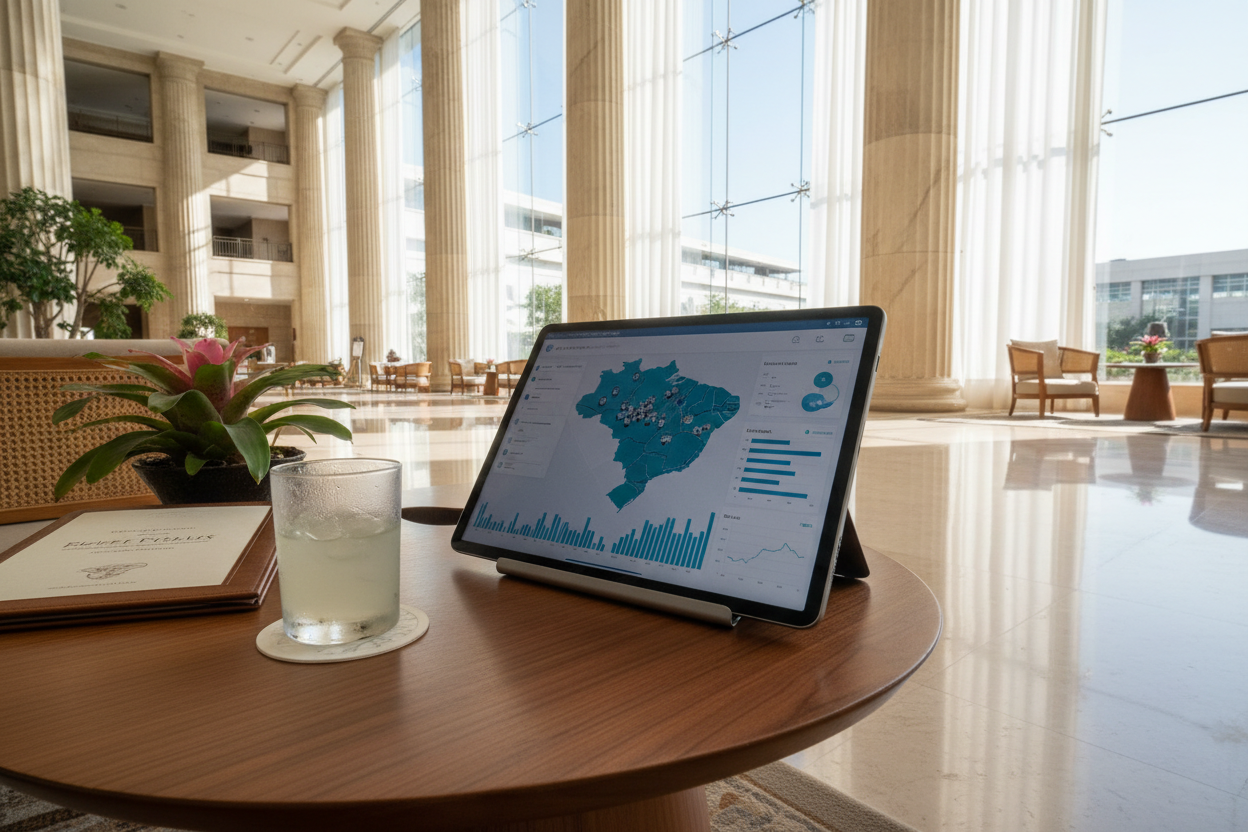
In Brazil’s P2P crypto landscape, Brazil P2P crypto ramps for BBRL are gaining depth, particularly on platforms linking local exchanges to Polygon bridges. Traders benefit from low-cost, rapid settlements, ideal for arbitrage between BRL fiat on-ramps and DeFi pools. NonUSDStableMap. com’s interactive tools reveal concentrated liquidity in key hubs like Sao Paulo and Rio, where P2P volumes have spiked post-launch. This isn’t mere hype; it’s a structural shift toward regional stablecoin dominance in LATAM, where Brazil accounts for the bulk of activity.
Exchange depths for BBRL reflect this resilience. Centralized venues show bid-ask spreads tightening to under 0.5%, signaling institutional interest. On Polygon, early pools pair BBRL with ETH and USDC, drawing $100 million and in TVL within weeks. As a CFA charterholder focused on low-risk bonds and commodities, I view these metrics as harbingers of sustainable adoption, provided regulators prioritize innovation over punitive measures.
Current BBRL Metrics
| Metric | Value |
|---|---|
| Market Cap | $1.23B |
| 24h Volume | $109M |
| Polygon TVL | $100M |
| Top P2P Volumes – Sao Paulo | $45M |
| Top P2P Volumes – Rio | $32M |
| Exchange Depth | 0.4% spread |
Strategic Insights for Navigating BBRL Liquidity Pools
Diving into BBRL trading volumes Brazil, P2P platforms dominate with over 60% of flows, per aggregated exchange data. These ramps offer premiums of 1-2% over spot, compensating for regulatory uncertainty. Polygon pools, meanwhile, provide the deepest liquidity for DeFi swaps, with impermanent loss mitigated by BRL’s relative stability against crypto volatility. For arbitrageurs, the edge lies in cross-chain transfers: mint BBRL via Banco Braza, bridge to Polygon, and unwind in global markets.
Yet, caution tempers optimism. The tenfold VASP capital hike could fragment smaller ramps, concentrating power among giants like Banco Braza. Investors should prioritize audited pools and monitor tax consultations, which could reshape non-USD stablecoin maps Brazil. This landscape rewards those who blend on-chain data with macroeconomic foresight.
Blending these elements requires a disciplined approach, one that favors diversified exposure over speculative fervor. NonUSDStableMap. com’s BBRL stablecoin liquidity visualizations highlight this interplay, plotting real-time depths across Polygon pools and P2P corridors. Traders can pinpoint optimal entry points, such as Sao Paulo’s dominant $45 million weekly P2P flows, where premiums hover at 1.5% amid regulatory flux.
Visualizing BBRL Depth on Polygon: Key Liquidity Metrics
Polygon’s infrastructure shines in hosting BBRL’s nascent pools, where TVL has climbed to $100 million since launch, pairing seamlessly with ETH and select USDC reserves. This depth buffers against Brazil’s inherent FX swings, offering spreads as tight as 0.4% on major order books. From a bond trader’s lens, these pools evoke high-grade fixed income: predictable yields from staking BBRL, underwritten by Banco Braza’s reserves and Central Bank oversight.
BBRL/USDC Polygon Pool Depth (2% Bid-Ask Bands) & 7-Day Volume Trends
| Depth Band | Bid Depth (USD) | Ask Depth (USD) | Total Liquidity (USD) | 7-Day Volume Trend |
|---|---|---|---|---|
| Spot (Mid) | $1,230,000 | $1,180,000 | $2,410,000 | N/A |
| ±0.5% | $2,450,000 | $2,360,000 | $4,810,000 | +10% 📈 |
| ±1.0% | $4,930,000 | $4,720,000 | $9,650,000 | +18% 📈 |
| ±2.0% | $12,300,000 | $11,800,000 | $24,100,000 | +25% 📈 |
| Pool Summary | N/A | N/A | $24.1M Total | MCAP: $1.23B | Avg Daily Vol: $109M (+28% 📈) |
Yet sustainability hinges on volume persistence. BBRL trading volumes Brazil have stabilized at $109 million daily, but P2P ramps, vital for unbanked users, face compression from VASP capital mandates. Smaller operators may consolidate, funneling liquidity to regulated behemoths and widening the moat around Banco Braza’s issuance.
Risk-Adjusted Strategies for BRL Stablecoin Exposure
For low-risk allocators, the play lies in yield farming BBRL pools on Polygon, where APYs range 4-7% amid subdued volatility. Arbitrage windows emerge at P2P-to-DeFi bridges: acquire BBRL at 1-2% premiums locally, swap on Polygon for global assets, and hedge via regulated FX desks. This circuit, illuminated by non-USD stablecoin maps Brazil, minimizes counterparty risk while capturing BRL’s peg integrity.
Regulatory vigilance remains paramount. The 850-company coalition’s tax challenge could preserve P2P vitality, averting a liquidity crunch. Conversely, if capital rules bite, expect BRL stablecoin Polygon pools to absorb displaced flows, bolstering TVL toward $500 million by mid-year. My 20 years in commodities affirm: emerging stables thrive on such tensions, forging resilient infrastructure from policy crucibles.
| Metric | Value | Implication for Traders |
|---|---|---|
| Polygon BBRL TVL | $100M | Deep swaps; low IL risk |
| P2P Volume (Sao Paulo) | $45M/wk | Premium entry for arb |
| Exchange Spread | 0.4% | Institutional-grade execution |
| 24h Global Volume | $109M | Scalable for large positions |
Navigating these currents demands tools like interactive liquidity maps, which overlay Brazil P2P crypto ramps with Polygon analytics. Patient capital, allocated judiciously, positions investors to harvest Brazil’s digital real evolution, stablecoin supply doubling annually, on-chain volumes eclipsing legacy finance. In Guadalajara’s shadow of emerging market pivots, BBRL exemplifies how regulated innovation tames volatility, rewarding foresight over haste.