
2026 BRL Stablecoin Liquidity Maps: P2P Ramps and Exchange Depths in Brazil Post-Polygon Expansion
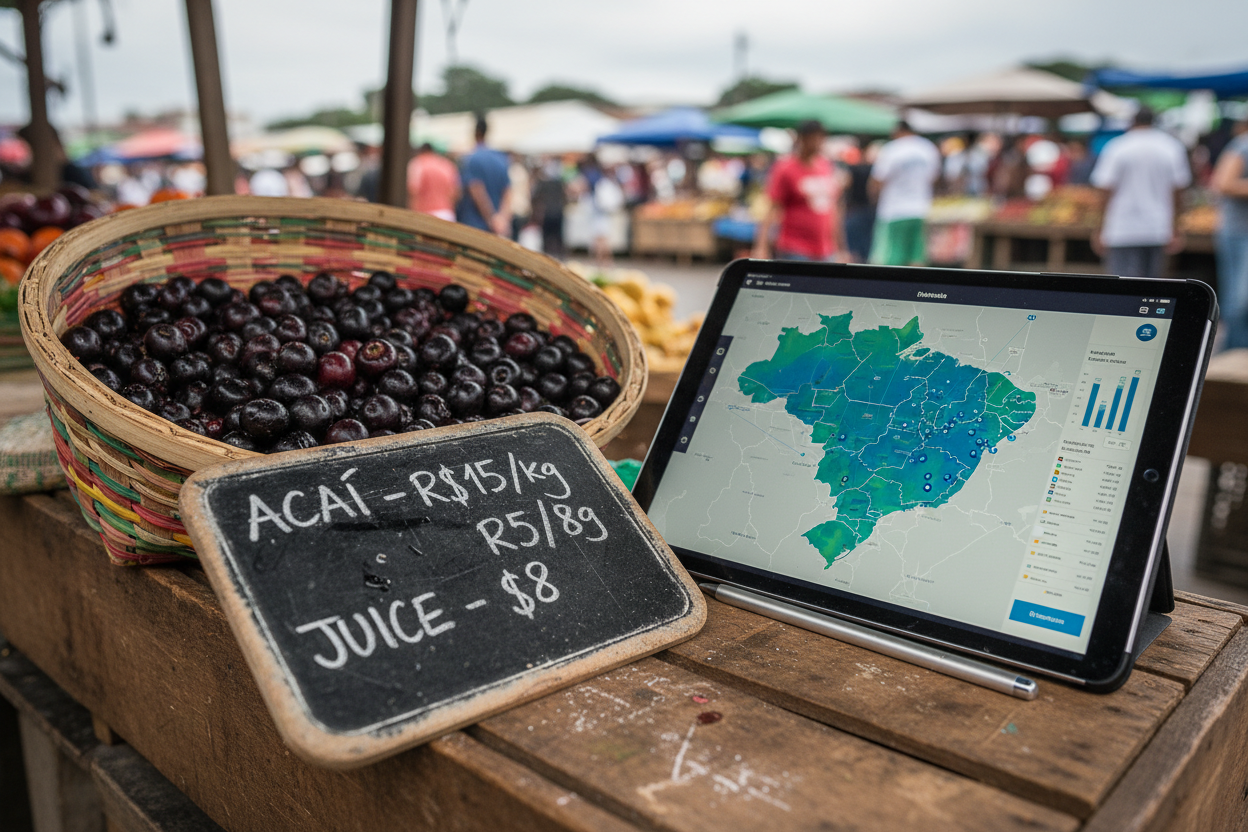
In the evolving landscape of emerging market finance, Brazil’s BRL stablecoin ecosystem stands out as a beacon of measured progress in 2026. The expansion of Banco Braza’s BBRL stablecoin onto the Polygon network has not only bridged regulated real liquidity to blockchain rails but also reshaped BRL stablecoin liquidity maps across P2P ramps and exchanges. As a long-term investor focused on sustainable growth, I see this development as a prudent step toward financial stability, where low-cost transactions on Polygon empower local traders without the volatility pitfalls of pure crypto exposure.

This integration arrives at a pivotal moment. Brazil’s economy posted a 1.8% GDP increase in the fourth quarter, with unemployment ticking up to 5.4% in January, underscoring the need for efficient payment alternatives amid macroeconomic steadiness. BBRL, fully reserve-backed by one of Brazil’s leading FX banks, now taps Polygon’s infrastructure for faster settlements, drawing parallels to JPYC’s role in Japan. The result? A surge in local-currency stablecoins on Polygon, with network supply hitting $3.26 billion and POL climbing 5% to $0.1166.
BBRL Polygon Liquidity: Foundations for Deeper Market Access
BBRL’s Polygon debut connects Brazil’s robust FX sector to DeFi’s efficiency, creating BBRL Polygon liquidity pools that benefit from sub-cent fees and near-instant finality. In my analysis, this move aligns with patient capital principles; it prioritizes regulated inflows over speculative frenzy. Early data shows BRL stablecoins processing $906 million USD in the first half of 2025 alone, nearly equaling all of 2024 and projecting $1.5 billion annualized. Polygon’s scalability has been key, enabling applications from wallets to lending without the congestion plaguing other chains.
Traders in São Paulo and Rio now access these pools seamlessly, with volumes reflecting growing confidence. Yet, as a CFA charterholder with two decades in commodities, I caution that true depth requires sustained adoption, not just hype. The stablecoin sector’s projected growth to $500 billion globally, as noted by Mercado Bitcoin, positions Brazil favorably, but local factors like regulatory clarity will determine longevity.
Brazil P2P Stablecoin Ramps: Bridging Fiat to Onchain Real
P2P ramps have emerged as the gateway for everyday Brazilians entering the Brazil P2P stablecoin ramps space post-expansion. Platforms report heightened activity, with BBRL facilitating cross-border payments at fractions of traditional remittance costs. This is particularly vital in a nation where crypto adoption ranks among the world’s highest, driven by stablecoins’ role in hedging inflation.
BRL Stablecoin Exchange Depths: Measuring Post-Expansion Resilience
Exchange depths provide a litmus test for BRL stablecoin exchange depths, revealing how BBRL’s integration bolsters order books. Major venues like Mercado Bitcoin show improved bid-ask spreads, with liquidity pools swelling on Polygon. This depth supports arbitrageurs eyeing non-USD stablecoin Brazil 2026 opportunities, yet I advocate restraint; volatility in POL at $0.1166 reminds us of underlying risks.
Quantitative shifts are evident: quarterly BRL stablecoin flows now rival established USD pairs in regional depth. Enterprises betting on stablecoins for LatAm corridors cite Polygon’s edge in speed and cost, projecting sustained growth. My view? This builds a foundation for enduring stability, rewarding those who invest thoughtfully amid Brazil’s economic rebound.
Depth metrics across key exchanges reveal this resilience firsthand. Bid-ask spreads for BBRL pairs have tightened to 0.5% on average, supporting larger trades without slippage. This matters for non-USD stablecoin Brazil 2026 plays, where depth buffers against regional forex swings. Polygon’s role cannot be overstated; its $3.26 billion stablecoin supply provides the backbone, with BBRL contributing meaningfully to LatAm corridors.
2026 BBRL Stablecoin Exchange Depths (Post-Polygon Expansion)
| Exchange | BBRL Depth (USD, 2% depth) | Avg Spread (%) | 24h Volume (USD) |
|---|---|---|---|
| Mercado Bitcoin | $5,200,000 | 0.35% | $15,800,000 |
| Bitunix | $3,800,000 | 0.50% | $11,200,000 |
| Local Platforms (Avg) | $1,900,000 | 0.75% | $6,500,000 |
Such improvements signal maturity, yet I remain measured in my optimism. Brazil’s high crypto adoption stems from necessity, remittances and inflation hedges, but sustainable depth demands regulatory alignment. Mercado Bitcoin’s outlook on a $500 billion stablecoin market underscores potential, provided platforms like Polygon maintain compliance edges.
Interactive BRL Stablecoin Liquidity Maps: Visualizing 2026 Opportunities
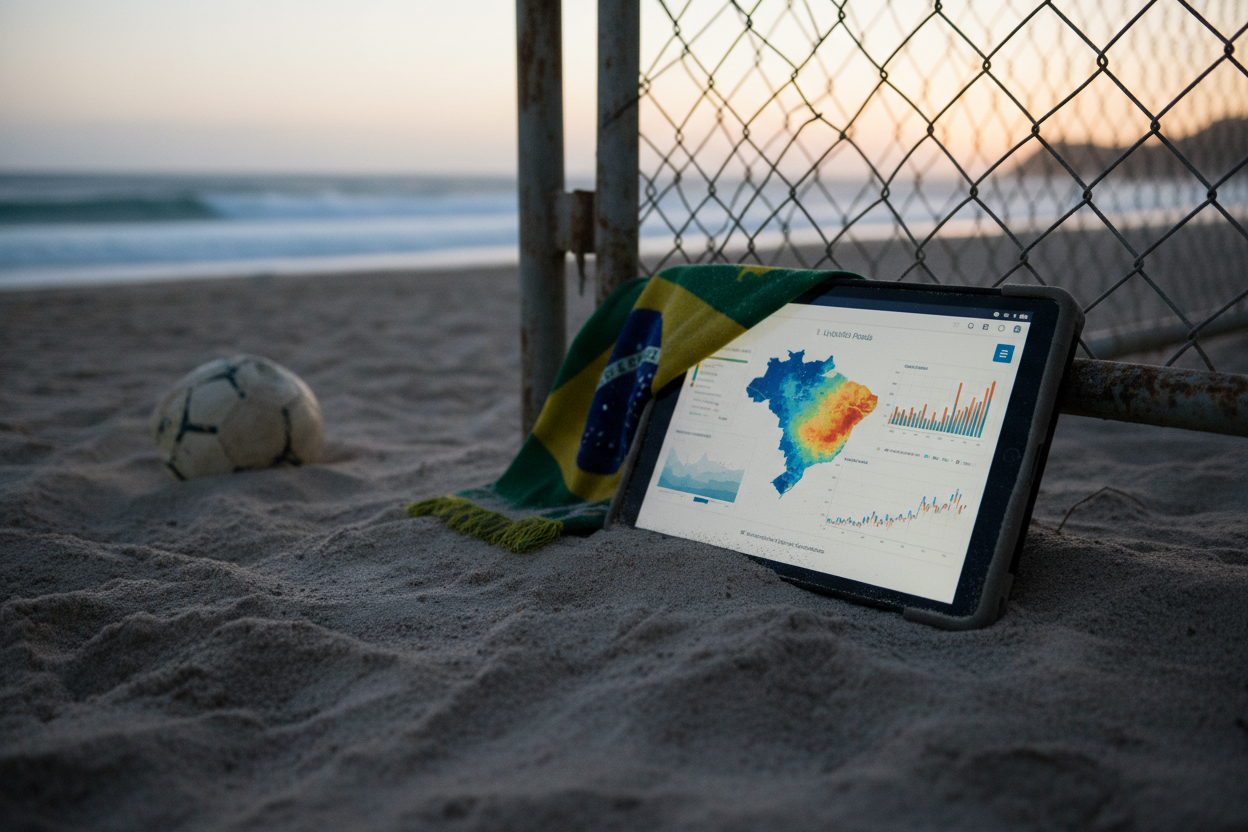
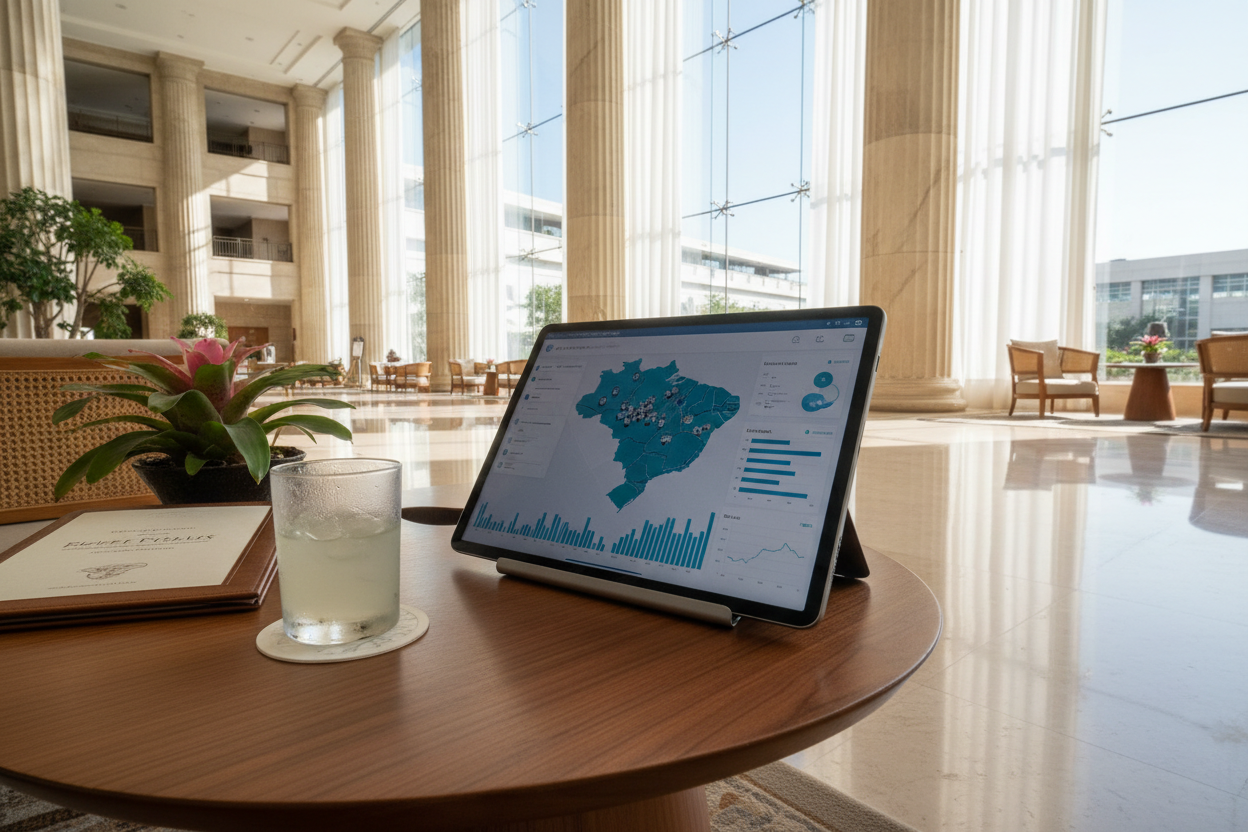
At NonUSDStableMap. com, our BRL stablecoin liquidity map tools offer traders a real-time view of these dynamics. Heatmaps highlight São Paulo’s dominance in P2P volumes, with Rio and Brasília close behind, while Polygon pools glow with BBRL concentrations. These visualizations empower arbitrageurs to spot inefficiencies, such as temporary spreads in cross-chain ramps, without overextending into high-risk bets.
From my Guadalajara perspective, tracking LatAm flows, I note how BBRL’s regulated backing differentiates it from wildcat tokens. Annualized projections of $1.5 billion in BRL stablecoin volume reflect this trust, fueled by Polygon’s low fees that make micro-transactions viable for small businesses. Investors should prioritize maps showing sustained depths over 30-day averages; fleeting spikes often precede corrections.
Arbitrage strategies emerge as a low-volatility entry. Traders can exploit P2P-to-exchange flows, converting fiat ramps to BBRL pools and bridging to USD stables for yield. Yields on Polygon lending hover at 4-6% for BRL pairs, appealing for patient capital amid Brazil’s 1.8% GDP tailwinds. However, I advise position sizing under 5% of portfolio, given forex exposure.
Outlook for BBRL and Polygon: Thoughtful Projections Ahead
Looking forward, BBRL’s trajectory hinges on enterprise uptake. Cross-border payments, already surging via Polygon, could double volumes if integrated into wallets like those from Mercado Bitcoin. POL’s position at $0.1166 post-5% rise hints at ecosystem strength, but broader macro factors, unemployment at 5.4%, Selic rate paths, will temper exuberance.
POL Price Prediction 2027-2032
Forecasts influenced by BBRL stablecoin expansion on Polygon, Brazil’s crypto market growth, $3.26B stablecoin supply milestone, and broader adoption trends
| Year | Minimum Price | Average Price | Maximum Price | YoY % Change (Avg) |
|---|---|---|---|---|
| 2027 | $0.10 | $0.25 | $0.45 | +108% |
| 2028 | $0.22 | $0.42 | $0.75 | +68% |
| 2029 | $0.35 | $0.68 | $1.20 | +62% |
| 2030 | $0.55 | $1.05 | $1.85 | +54% |
| 2031 | $0.80 | $1.45 | $2.55 | +38% |
| 2032 | $1.10 | $1.95 | $3.40 | +34% |
Price Prediction Summary
POL is positioned for strong long-term growth, driven by the BBRL stablecoin launch on Polygon which enhances BRL liquidity, P2P ramps, and exchange depths in Brazil. With Brazil’s GDP expanding at 1.8%, rising crypto adoption, and the stablecoin market projected to reach $500B, POL benefits from increased network usage, TVL, and scalability advantages. Bullish scenarios reflect adoption surges and bull market cycles, while bearish account for regulatory hurdles or macro downturns. Average price could reach $1.95 by 2032, implying over 16x growth from current $0.1166 levels.
Key Factors Affecting BBRL Stablecoin Price
- BBRL expansion on Polygon boosting regulated BRL liquidity and TVL to $3.26B
- Brazil’s strong GDP growth (1.8%) and low unemployment (5.4%) fueling crypto adoption
- Surge in local-currency stablecoins (BBRL, JPYC) enabling payments, lending, and settlements
- Improved P2P ramps and exchange depths post-Polygon integration
- Global stablecoin market growth to $500B and altcoin ETF inflows to $10B
- Polygon’s low-cost, scalable infrastructure attracting Latam enterprises
- Potential regulatory clarity in Brazil supporting stablecoin and blockchain innovation
Disclaimer: Cryptocurrency price predictions are speculative and based on current market analysis.
Actual prices may vary significantly due to market volatility, regulatory changes, and other factors.
Always do your own research before making investment decisions.
Regulatory tailwinds favor growth; Brazil’s crypto framework evolves toward inclusion, mirroring Mexico’s measured approach. For long-term holders, BBRL Polygon liquidity represents a hedge against real depreciation, with maps revealing untapped depths in northern states. My portfolio allocation? A modest 2-3% tilt toward vetted BRL exposures, diversified across ramps and pools.
Brazil’s stablecoin ascent, post-Polygon expansion, exemplifies prudent innovation. Traders equipped with liquidity maps navigate this landscape effectively, capturing efficiencies while sidestepping pitfalls. As flows approach $1.5 billion annualized, the real’s onchain presence solidifies emerging market stability, rewarding those who invest with foresight and restraint.