Why non-USD stablecoins matter now
The circulating supply of non-USD stablecoins has hit $2 billion, marking a 42% surge in 2026. While the US dollar remains the dominant anchor in global finance, this growth signals a distinct shift in how users interact with digital assets. Non-USD stablecoins are not replacing the dollar, but they are carving out a valuable niche for local currency exposure and regulatory compliance.
This expansion is driven by specific regional needs rather than abstract financial theory. In Europe, the Markets in Crypto-Assets (MiCA) regulation has provided the legal certainty needed for euro-backed tokens to flourish. Meanwhile, in Brazil, users are turning to assets like BRZ to access crypto markets and manage local volatility. In regions with strict capital controls or cross-border transfer restrictions, alternative stablecoins offer a necessary workaround for international commerce.
The rise of these assets highlights a practical utility: they allow users to hold and transact in their native currencies on-chain. For merchants and individuals in emerging markets, this reduces friction and exposure to USD exchange rate fluctuations. As regulatory frameworks mature in Asia and Latin America, the ecosystem for local stablecoins is expected to continue its steady expansion.
Major non-USD stablecoin ecosystems
While USD-backed tokens dominate the market, non-USD stablecoins serve specific regional needs where local currency volatility or banking restrictions make dollar alternatives impractical. These assets are not global replacements for the dollar; they are localized tools for payments, trading, and savings within their respective borders.
The landscape is split by geography, with each region developing its own ecosystem based on local regulatory frameworks and banking infrastructure.
EMEA: Regulation-Backed Local Currencies
In Europe and the Middle East, non-USD stablecoins are driven by the EU’s Markets in Crypto-Assets (MiCA) regulation, which provides legal clarity for euro-backed assets. The euro stablecoin (EURC) is the primary example, offering a regulated alternative to USD for European traders and businesses. It allows users to hold euros on-chain without relying on traditional banking rails, reducing friction for cross-border B2B payments within the EU.
Beyond Europe, the Middle East has seen the launch of regional stablecoins pegged to the Saudi Riyal and UAE Dirham. These assets target local remittances and intra-regional trade, providing a digital bridge between traditional fiat and decentralized finance for users who prefer to settle in local currency rather than converting to dollars first.
LATAM: Hedging Against Volatility
Latin America’s non-USD stablecoin activity is fueled by high inflation and currency volatility in countries like Argentina and Brazil. In Brazil, the Brazilian Real (BRZ) stablecoin has gained traction among crypto traders and remittance users who want to avoid the double conversion penalty of USD. BRZ allows users to hold and transfer Brazilian Real on-chain, making it a practical tool for domestic commerce and cross-border remittances from the US or Europe to Brazil.
In Argentina, where the local peso loses value rapidly, non-USD stablecoins are less common than USD-pegged assets, but regional pilots are emerging. These projects focus on providing a digital equivalent of the peso for everyday transactions, helping merchants accept digital payments without immediately converting to foreign currency.
APAC: Cross-Border Settlement and Remittances
In Asia and the Pacific, non-USD stablecoins are used primarily for cross-border payments and remittances, where traditional banking fees are high. The Singapore Dollar (SGD) stablecoins, such as those issued by major regional fintechs, are popular for trade finance and corporate settlements. They allow businesses to settle invoices in SGD without waiting for traditional bank transfers, which can take days.
In Southeast Asia, local currency stablecoins are piloted for remittances from workers abroad. For example, stablecoins pegged to the Philippine Peso or Indonesian Rupiah allow migrants to send money home that is immediately usable in local digital wallets, bypassing the need for cash pickup services or expensive wire transfers. These assets act as a digital wrapper for local fiat, enabling faster and cheaper transfers for everyday users.
| Asset | Currency | Region | Primary Use |
|---|---|---|---|
| EURC | Euro | EMEA | EU Trade & Payments |
| BRZ | Brazilian Real | LATAM | Remittances & Trading |
| SGD Stablecoins | Singapore Dollar | APAC | Corporate Settlements |
Where to trade non-USD stablecoins
Accessing non-USD stablecoins requires navigating a fragmented landscape. Unlike USDT or USDC, which dominate centralized order books, regional stablecoins rely on specific exchange listings and decentralized liquidity pools tailored to their local fiat pairs. Your trading strategy should depend on your geographic location and whether you prioritize low fees or direct fiat on-ramps.
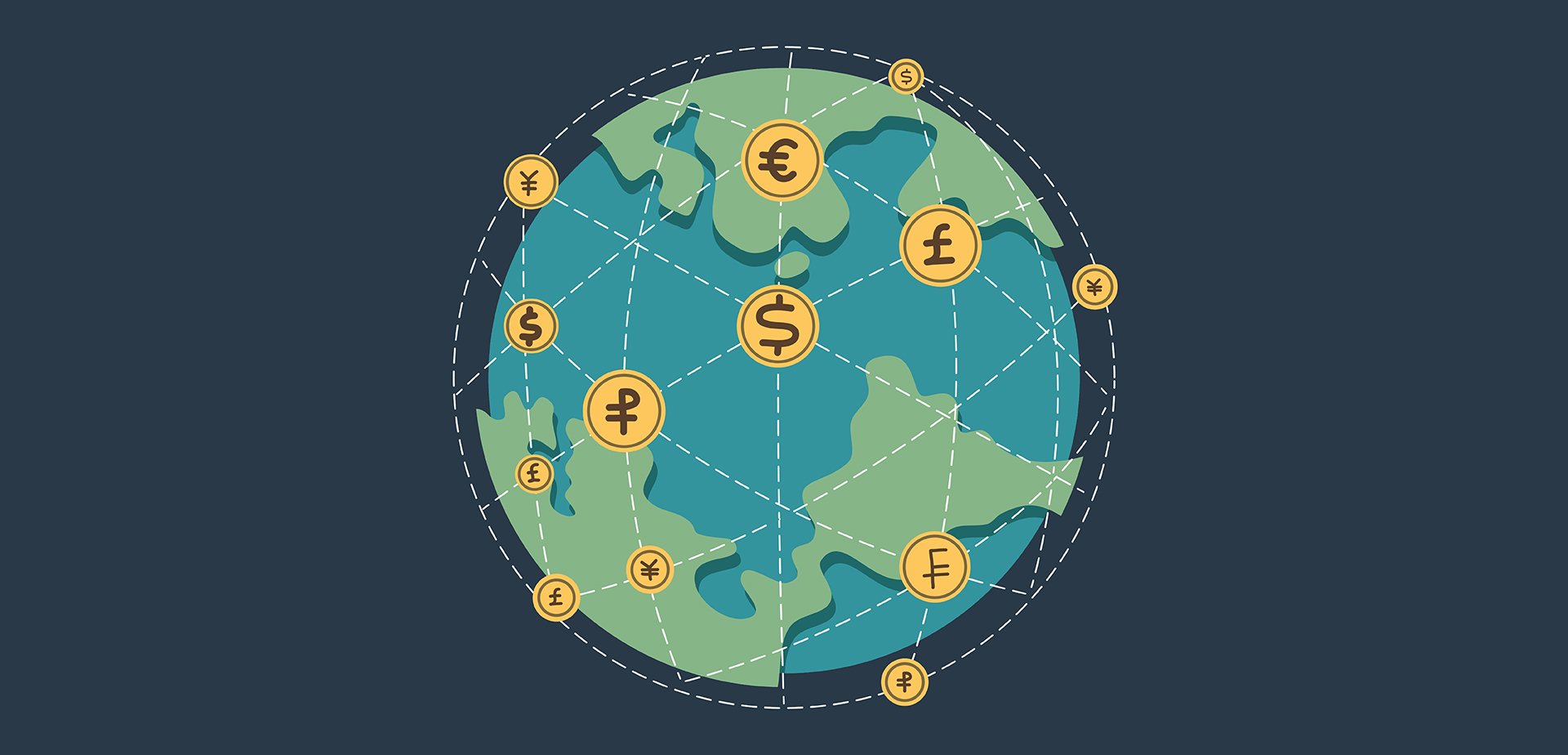
For direct fiat trading, regional exchanges are the most efficient entry point. Platforms like Binance support assets such as the Brazilian Real (BRZ) and the Euro (EURC) with dedicated trading pairs. This allows you to buy non-USD stablecoins directly with local currency, bypassing the need to convert to USD first. Check your local exchange’s supported assets list to see if they offer direct pairs for your target stablecoin.
Decentralized exchanges provide access to a wider range of non-USD stablecoins, particularly on networks like Polygon. The Polygon stablecoin list features over 30 local currency tokens across LATAM, APAC, and EMEA. You can trade these assets directly from your wallet using DEXs like Uniswap or QuickSwap. This method is ideal for users who want to avoid KYC requirements or need access to niche regional tokens not listed on major CEXs.

Liquidity varies significantly by region. A stablecoin like the Colombian Peso (USDP) may have deep liquidity on Colombian exchanges but thin spreads on global DEXs. Before trading, check the depth of the order book or liquidity pool to ensure you can execute your trade without significant slippage. Tools like DeFiLlama or the exchange’s own interface can show you current pool sizes and historical trading volume.


As an Amazon Associate, we may earn from qualifying purchases.
Risks and regulatory differences
The stability of non-USD stablecoins depends heavily on the jurisdiction in which they operate. Unlike the US dollar ecosystem, which is dominated by a few massive issuers, non-USD stablecoins remain niche and highly context-specific. Their safety is less about the technology and more about the legal framework backing them.
In Europe, the Markets in Crypto-Assets (MiCA) regulation provides a standardized safety net. Stablecoins like the Euro-backed EURC must adhere to strict reserve requirements and regular audits. This regulatory clarity reduces counterparty risk, making European non-USD stablecoins a safer choice for institutional users who need compliance with EU financial laws.
Outside of regulated markets, the landscape is fragmented. In Brazil, the real-backed BRZ serves a specific local utility, while in regions with capital controls, other tokens fill gaps left by traditional banking. However, these assets often lack the transparent, real-time reserve attestations required by strict regulatory bodies. Without a unified legal framework, users must perform their own due diligence to ensure the issuer holds sufficient assets to maintain the peg.
Frequently asked questions about non-USD stablecoins
Are there non-USD stablecoins?
Yes, though they remain niche compared to USD alternatives. Non-USD stablecoins emerge where specific regulation supports them, such as under the MiCA framework in Europe, or where users seek local crypto access like BRZ in Brazil. In regions with cross-border transfer restrictions, such as Russia, assets like A7A5 provide necessary liquidity.
What are the top 3 stablecoins?
USD-pegged assets dominate the market share. However, when isolating non-USD options, the top contenders by circulating supply include EURC (Euro Coin), ZARQ (South African Rand), and BRZ (Brazilian Real). These tokens collectively represent the bulk of the $2 billion non-USD supply seen in 2026.
Is XRP a non-USD stablecoin?
No. XRP is a volatile cryptocurrency whose value is determined by supply and demand, not pegged to any fiat asset. While the XRP Ledger hosts stablecoins like RLUSD, XRP itself is distinct from the stablecoin category.
Are all stablecoins pegged to USD?
No, but USD is the overwhelming standard. Within the broader market, 95% of stablecoins are fiat-backed, and 97% of those are denominated in US dollars. The remaining 3% of fiat-backed tokens support other currencies, including the Euro, British Pound, and various emerging market currencies.
No comments yet. Be the first to share your thoughts!