Market Snapshot and Supply Growth
As of mid-2026, the global stablecoin ecosystem is undergoing a measurable structural shift. While the US dollar remains dominant, representing approximately 97% of fiat-backed stablecoin supply, non-USD stablecoins are gaining traction. According to Arkham Intelligence, the circulating supply of non-USD stablecoins reached $2 billion, marking a surge of over 42% within the 2026 calendar year. This growth trajectory signals a distinct acceleration in multi-currency adoption, driven by regional regulatory frameworks and localized demand.
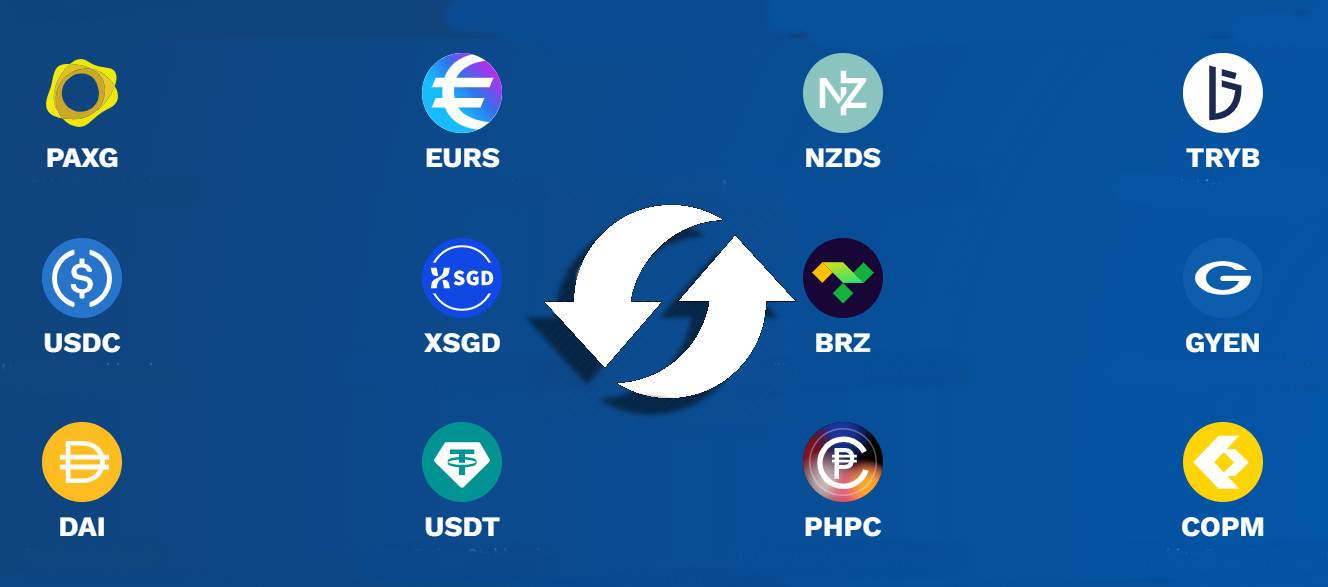
The expansion is not uniform. From euros to Brazilian reais to Singapore dollars, the holder base for non-dollar stablecoins has grown thirtyfold since 2023. This increase correlates with specific regulatory environments, such as the Markets in Crypto-Assets (MiCA) regulation in Europe, which provides a compliant pathway for euro-pegged assets. Similarly, in Brazil, the BRZ stablecoin has seen adoption among users seeking direct crypto market access, while in Russia, assets like A7A5 have emerged to facilitate cross-border transfers amid restrictions.
These figures ground the current regulatory discussion in market reality. The $2 billion supply represents a tangible, albeit still niche, segment of the broader crypto economy. It demonstrates that multi-currency strategies are no longer theoretical but are actively being deployed where local compliance requirements and user needs align. The data suggests that as regulatory clarity improves in various jurisdictions, the supply of non-USD stablecoins is likely to continue its upward trajectory, diversifying the stablecoin landscape beyond the US dollar.
Regional regulatory frameworks
The regulatory landscape for non-USD stablecoins is defined by significant divergence from the United States, which lacks a comprehensive federal stablecoin statute. In the European Union, Brazil, and Singapore, distinct legal architectures are emerging that prioritize local currency stability and specific reserve requirements. These frameworks are reshaping how non-USD stablecoins are issued, audited, and integrated into traditional finance.
European Union: MiCA Implementation
The European Union’s Markets in Crypto-Assets (MiCA) regulation, which became fully applicable in December 2024, establishes a unified framework for asset-referenced tokens (ARTs) and e-money tokens (EMTs). MiCA mandates strict reserve requirements, requiring issuers to hold assets that are fully backed and segregated from corporate funds. For non-USD stablecoins, this creates a high-barrier entry focused on compliance and transparency. The European Central Bank (ECB) has emphasized that only stablecoins pegged to the euro or other EU member state currencies will have significant traction under this regime.
Brazil: Pix Integration and BRL Stability
Brazil’s approach centers on integrating stablecoins with its real-time payment system, Pix. The Central Bank of Brazil (BCB) has been actively engaging with fintechs to develop a regulatory sandbox for stablecoins pegged to the Brazilian real (BRL). Unlike the EU’s broad token classification, Brazil’s framework focuses on the operational security of the underlying payment infrastructure. Issuers must demonstrate robust reserve management and interoperability with Pix to facilitate cross-border remittances and domestic settlements. This strategy aims to reduce reliance on the US dollar for local transactions while maintaining currency sovereignty.
Singapore: MAS Oversight and Reserve Transparency
The Monetary Authority of Singapore (MAS) regulates non-USD stablecoins under the Payment Services Act. MAS requires issuers to maintain high-quality liquid assets in reserves and submit to regular audits. Singapore has taken a pragmatic approach, allowing non-USD stablecoins to operate if they meet strict prudential standards. The focus is on consumer protection and financial stability, with MAS closely monitoring the correlation between stablecoin issuance and local liquidity. This framework encourages innovation while ensuring that non-USD stablecoins do not pose systemic risks to the Singaporean financial system.
Comparative Regulatory Overview
The following table compares key regulatory elements across these jurisdictions for non-USD stablecoins.
| Jurisdiction | Primary Framework | Reserve Requirement | Primary Focus |
|---|---|---|---|
| European Union | MiCA (Dec 2024) | Fully backed, segregated assets | Token classification & consumer protection |
| Brazil | BCB Sandbox / Pix Integration | Operational security & liquidity | Payment infrastructure & currency sovereignty |
| Singapore | Payment Services Act | High-quality liquid assets, audited | Prudential standards & financial stability |
Major non-USD stablecoin examples
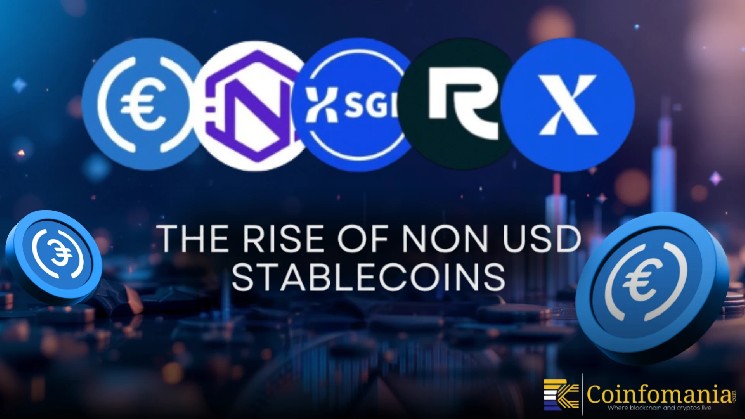
The global stablecoin market remains heavily concentrated in US dollars, with approximately 97% of fiat-backed stablecoins denominated in USD. However, a distinct category of non-USD stablecoins has emerged to serve specific regional regulatory frameworks and cross-border payment needs. These assets provide localized liquidity, often operating under distinct compliance requirements compared to their dollar-pegged counterparts.
EURC (Euro Coin)
EURC is a prominent non-USD stablecoin pegged to the Euro, designed to facilitate payments within the European Economic Area. Its regulatory foundation is anchored in the Markets in Crypto-Assets (MiCA) regulation, which came into full effect in the European Union in December 2024. MiCA establishes strict reserve management and transparency standards for stablecoin issuers, ensuring that EURC maintains 1:1 backing with high-quality liquid assets. This regulatory clarity allows EURC to operate within the EU's integrated financial market, offering a compliant alternative to decentralized stablecoins for institutional and retail users.
BRZ (Brazilian Real Stablecoin)
BRZ serves as a digital representation of the Brazilian Real, primarily issued by the B3 exchange in partnership with Circle. It gained significant traction following the Central Bank of Brazil's approval of its integration with the national instant payment system, PIX, in 2024. This interoperability allows BRZ to function as a bridge between traditional banking rails and blockchain settlement, reducing friction for domestic transactions. The asset is regulated under Brazil's Payment Institutions Law, which mandates specific reserve custody and auditing protocols to protect holders.
UST (TerraUSD) Legacy Note
While not an active example, the collapse of TerraUSD (UST) in May 2022 serves as a critical case study in algorithmic stablecoin risk. Unlike fiat-backed alternatives, UST relied on a volatile algorithmic mechanism rather than reserve assets, leading to a loss of peg and regulatory scrutiny across multiple jurisdictions. This event accelerated regulatory attention on non-USD stablecoins, prompting authorities in the EU, US, and Asia to emphasize reserve transparency and legal liability for issuers. Current non-USD stablecoins largely avoid algorithmic models in favor of fiat or commodity backing to mitigate systemic risk.
Compliance and risk assessment
The legal and operational landscape for non-USD stablecoins is defined by a complex interplay of reserve transparency and cross-border regulatory restrictions. Unlike the USD-dominated market, where compliance frameworks are more mature, non-USD stablecoins face jurisdiction-specific hurdles that vary significantly by region. In Europe, the Markets in Crypto-Assets Regulation (MiCA), effective from 2024, imposes strict reserve and disclosure requirements, creating a standardized but rigorous compliance environment. Conversely, in markets like Brazil, where the Real-pegged BRZ stablecoin has gained traction, local frameworks are still evolving, requiring issuers to navigate ambiguous legal boundaries.
Reserve transparency remains a critical risk factor. Users and issuers must ensure that backing assets are fully liquid and independently audited. The lack of uniform global standards means that a stablecoin compliant in one jurisdiction may face scrutiny in another, particularly where cross-border transfer restrictions apply. For instance, in Russia, stablecoins like A7A5 operate within a context of international sanctions and domestic capital controls, adding layers of operational risk that are distinct from Western regulatory concerns.
To navigate these complexities, issuers and users should prioritize due diligence on the following compliance pillars:
-
Verify independent reserve audits and transparency reports
-
Confirm jurisdictional clarity and licensing status
-
Assess redemption rights and liquidity mechanisms
-
Review cross-border transfer restrictions and sanctions compliance
The regulatory landscape continues to shift, with central banks and financial authorities increasingly scrutinizing non-USD stablecoins. Staying informed on official regulatory updates is essential for mitigating risk in this high-stakes environment.
Timeline of Regulatory Developments
The regulatory landscape for non-USD stablecoins has shifted from fragmented local guidelines to structured regional frameworks between 2023 and 2026. This progression reflects a move toward harmonized compliance requirements across major jurisdictions.

The European Union finalized the Markets in Crypto-Assets (MiCA) regulation, establishing the first comprehensive legal framework for asset-referenced tokens and e-money tokens. This directive created specific compliance requirements for non-USD stablecoins issued within the bloc, mandating reserve transparency and governance standards.
Central banks in Singapore and Japan issued updated guidance on stablecoin issuance, focusing on cross-border interoperability and reserve asset quality. These regulations emphasized the need for non-USD stablecoins to maintain strict liquidity buffers to support local currency stability and consumer protection.
Regulators in Brazil and Canada introduced specific licensing regimes for local currency stablecoins, such as the Brazilian Real (BRZ). These frameworks required issuers to undergo regular audits and maintain direct oversight from financial authorities, aligning non-USD stablecoin operations with traditional payment service regulations.
By 2026, international bodies including the Financial Action Task Force (FATF) adopted unified standards for non-USD stablecoin monitoring. This resulted in a 30x increase in holders globally, as regulatory clarity reduced compliance uncertainty and encouraged institutional adoption of multi-currency strategies.
No comments yet. Be the first to share your thoughts!