
Non-usd stablecoins 2026
The circulating supply of non-USD stablecoins has reached $2 billion, marking a 42% surge in 2026 alone. This growth signals a shift from speculative trading to actual utility, particularly in regions where local currency volatility remains a persistent risk. While the US dollar still dominates global settlement, the expansion of euro, pound, and yen-backed tokens reflects a practical response to regional payment needs.
Institutions are beginning to integrate these assets into their treasury and operational workflows, though adoption is still constrained by limited merchant acceptance and fragmented regulatory clarity. The focus for 2026 is not on replacing the dollar but on providing localized, efficient alternatives for cross-border trade within specific geographic and currency zones. This trend underscores a maturing market where non-USD stablecoins serve as specialized tools rather than broad replacements for fiat systems.
Non-USD Stablecoin Tradeoffs in 2026
The $2 billion circulating supply of non-USD stablecoins is no longer a niche experiment. As 2026 progresses, major platforms like Coinbase Base are integrating over ten non-USD currencies, signaling a shift from speculation to actual production use. However, moving away from the dollar introduces distinct frictions that enterprises and traders must weigh carefully.
When evaluating these assets, you are not just choosing a currency; you are choosing a regulatory and liquidity environment. The tradeoffs generally fall into three buckets: liquidity depth, regulatory clarity, and merchant acceptance. While the potential for localized efficiency is high, the current infrastructure still favors USD for high-frequency global trade.
Liquidity and Slippage Risks
Non-USD stablecoins typically operate on thinner order books than their USD counterparts. This means that large transactions can suffer from significant slippage, especially on smaller decentralized exchanges. For cross-border payments, this volatility can erase the very efficiency gains you are seeking. Always check the 24-hour volume on the specific chain you plan to use, not just the total circulating supply.
Regulatory and Compliance Costs
Regulatory frameworks for non-USD stablecoins vary wildly by jurisdiction. In the EU, MiCA provides a clearer path, but in other regions, compliance costs can be prohibitive. Businesses must ensure that the stablecoin issuer is fully licensed in the destination country. Failure to do so can result in frozen assets or legal penalties, turning a simple payment into a compliance nightmare.
Merchant and Platform Acceptance
Adoption is still limited by merchant acceptance. While major institutions are testing these assets, the average merchant does not yet accept EUR, GBP, or JPY stablecoins. Before integrating, verify that your payment processors and banking partners support the specific stablecoin. Without a clear exit path into fiat, the stablecoin becomes a holding asset rather than a payment rail.
| Tradeoff Factor | Primary Risk | How to Mitigate |
|---|---|---|
| Liquidity | High slippage on large trades | Use major DEXs with deep pools |
| Regulation | Jurisdictional bans or freezes | Verify issuer licensing in target region |
| Acceptance | Inability to cash out to fiat | Confirm partner bank support |
| Volatility | Local currency fluctuations | Hedge with local fiat reserves |
The data from Dune, commissioned by Visa, shows that while non-USD stablecoins are growing, they are still concentrated in specific corridors. For now, they are best suited for regional trade within their home currency zones, rather than as a global substitute for the dollar. Use them where the local currency is volatile or where USD access is restricted, but always account for the liquidity premium.
How to choose a non-USD stablecoin for cross-border payments
The $2 billion circulating supply of non-USD stablecoins in 2026 signals a shift from speculation to utility. Major institutions are moving these assets into real production environments, but adoption remains limited by merchant acceptance and regulatory clarity. To navigate this landscape, you need a practical framework that prioritizes liquidity, regulatory compliance, and regional fit over abstract potential.
Start by checking the issuer’s jurisdiction. EUR-pegged tokens like EURC must comply with the EU’s MiCA framework, which provides clearer legal standing than many offshore USD alternatives. For GBP or JPY stablecoins, ensure the issuer is registered with the FCA or FSA respectively. Non-compliant tokens face sudden delistings or freezing risks that can freeze your funds.

Liquidity is not global; it is regional. A JPY stablecoin may have deep pools on exchanges like bitFlyer or GMO Coin but thin volume on European platforms. Check the order books for your specific trading pair. Low liquidity leads to high slippage on large transfers, which can erase the cost savings of using stablecoins for cross-border payments.
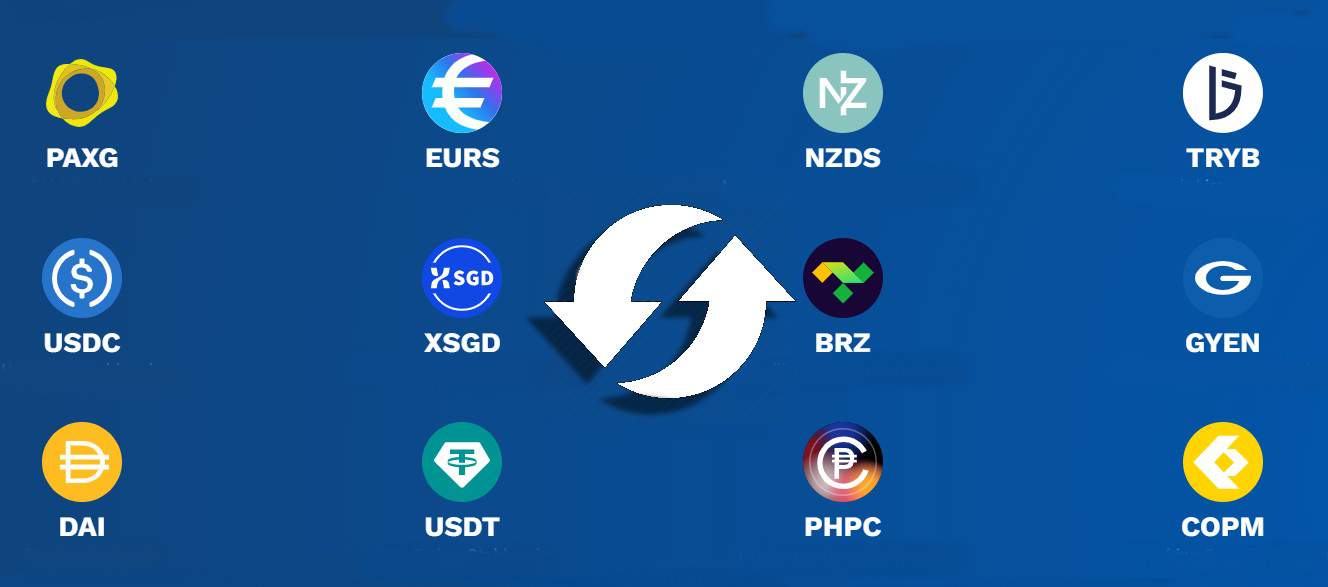
Even if a token is compliant and liquid, it must be usable. Many European merchants accept EURC via specific payment gateways, but few accept GBP stablecoins directly. Verify that your payment processor or exchange supports the specific non-USD stablecoin. If you cannot easily convert it to local fiat or spend it, you hold a liability, not a payment tool.

Unlike USDT, which publishes monthly attestations, non-USD issuers often provide quarterly audits or real-time on-chain proofs. Look for issuers that publish monthly reserve reports audited by top-tier firms. Transparency reduces counterparty risk. If an issuer cannot prove 1:1 backing with high-quality liquid assets, the risk of de-pegging increases significantly.
Watch Out for Weak Non-USD Stablecoin Options
The non-USD stablecoin sector has surged by over 42% in 2026, reaching a $2 billion circulating supply. While this growth signals acceleration in cross-border payments, it also attracts projects with weak fundamentals. As institutions begin using these assets for real production, distinguishing between robust infrastructure and misleading claims becomes critical. You must avoid options that lack transparency or regulatory clarity.
Unbacked or Opaque Reserves
Some stablecoins claim to be pegged to local currencies but fail to publish regular attestation reports. Without proof of reserves, the peg is speculative. If a project cannot provide a clear, auditable trail of its backing assets, the risk of de-pegging is high. Always verify that the issuer is subject to local financial regulations and publishes monthly or quarterly audits from reputable firms.
Low Liquidity and High Slippage
A stablecoin is only useful if you can enter and exit positions without significant price impact. Many non-USD stablecoins suffer from thin order books on decentralized exchanges. This low liquidity leads to high slippage, making them impractical for large cross-border transfers. Check the total value locked (TVL) and daily trading volume on major platforms before committing capital.
Regulatory Uncertainty
Regulatory frameworks for non-USD stablecoins vary wildly by jurisdiction. Some projects operate in legal gray areas, risking sudden bans or freezes. For instance, recent enforcement actions against non-compliant issuers have shown that assets can be frozen if they violate local anti-money laundering laws. Stick to stablecoins issued by entities that are actively engaged with regulators and have clear compliance structures.
Non-usd stablecoins 2026: common: what to check next
The rise of local-currency stablecoins brings new questions about stability and adoption. Here are the practical answers to the most frequent queries.
No comments yet. Be the first to share your thoughts!