
BRL Stablecoin Liquidity Map 2026: BBRL P2P Volumes and Exchange Depths in Brazil
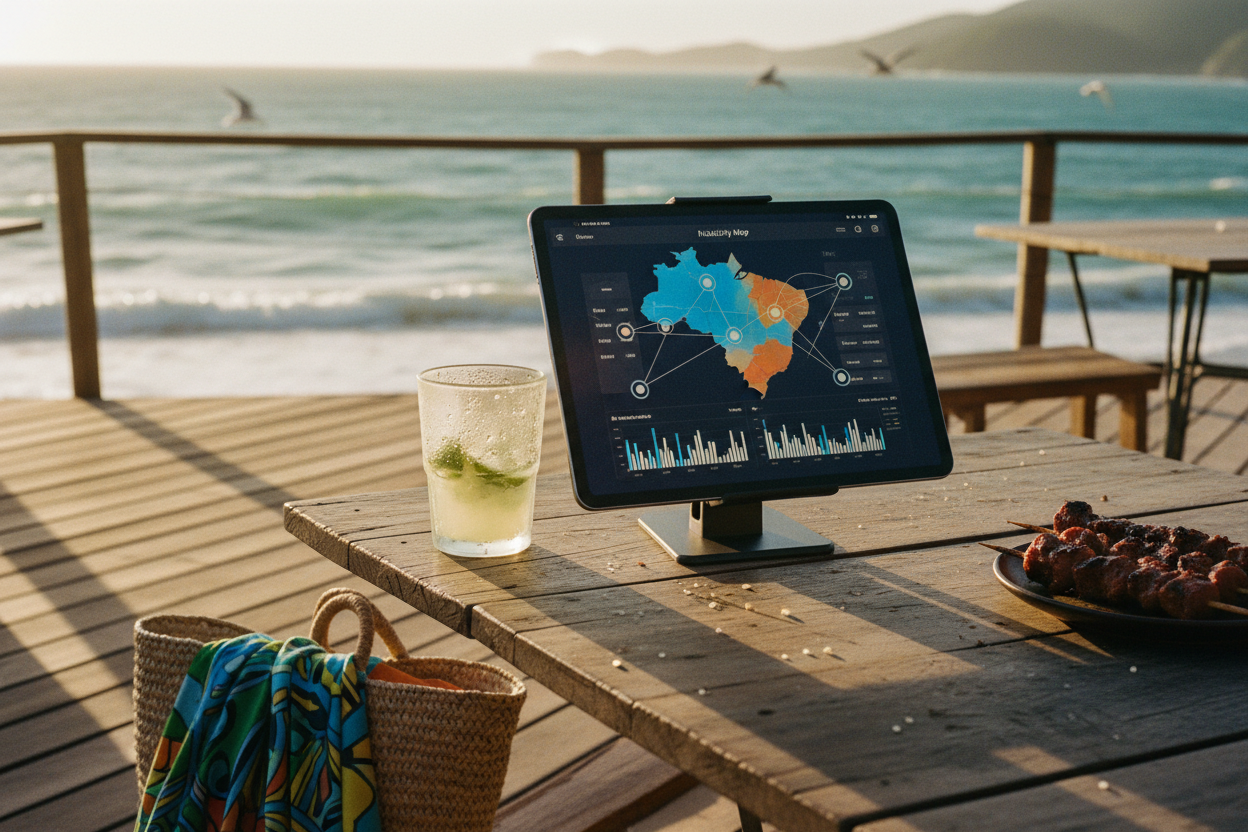
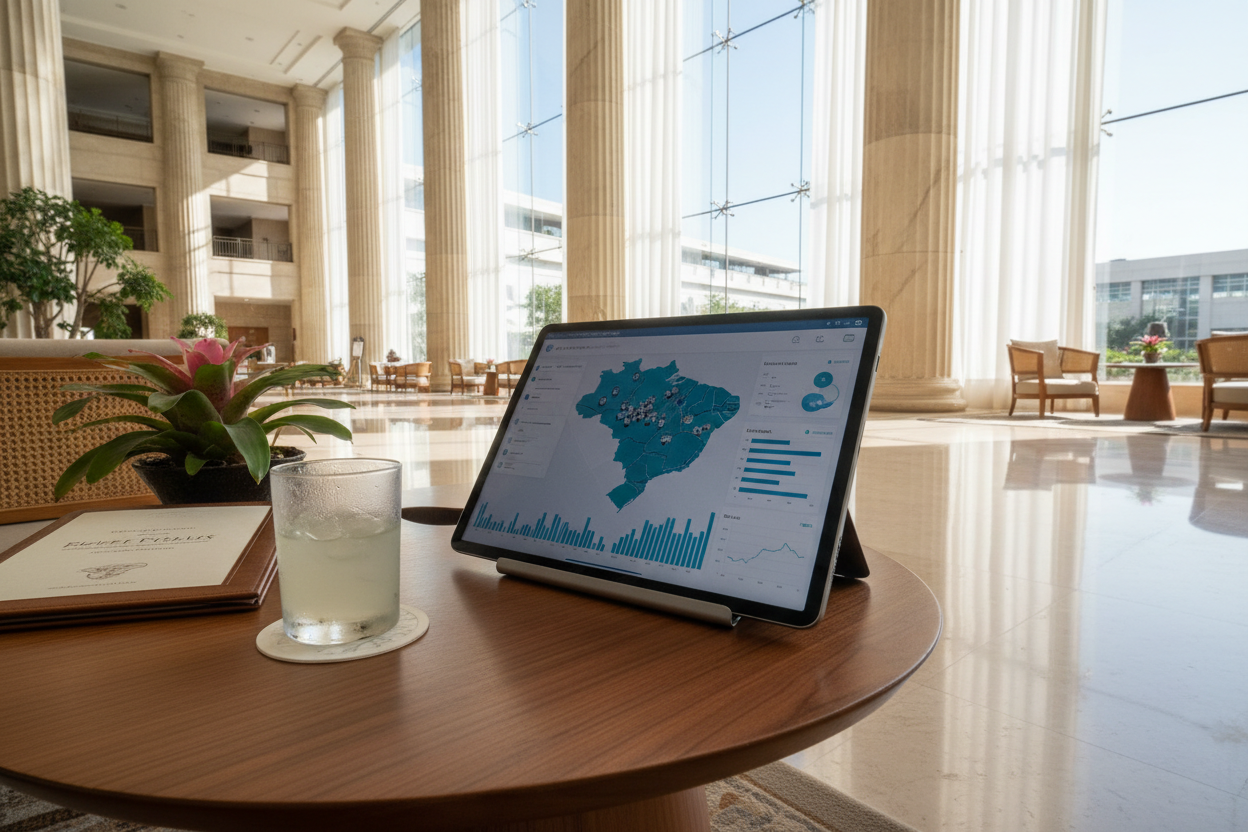
Brazil’s BRL stablecoin liquidity map in 2026 paints a vivid picture of maturity, with BBRL anchoring the ecosystem through surging BBRL P2P volumes Brazil traders crave. As remittances and cross-border flows dominate, this fully reserved stablecoin from Banco Braza has flipped the script on traditional FX hurdles, blending regulated backing with blockchain speed. Picture low-slippage trades across Polygon pools; that’s the reality now fueling Brazilian real stablecoin depths deeper than ever.

BBRL’s trajectory feels less like evolution and more like a calculated conquest. Backed by Brazil’s heavyweight in foreign exchange, it sidesteps the pitfalls plaguing lesser stables-peg instability, shallow liquidity. Instead, it channels real-world BRL reserves into on-chain utility, making BRL crypto exchange liquidity a trader’s dream rather than a gamble.
BBRL Captures 65% Market Share with XRP Ledger Surge
July 2025 marked BBRL’s breakout moment. Native transaction volume hit 1.16 billion Brazilian reais, snagging 65% of the stablecoin market that month. This wasn’t random hype; the XRP Ledger’s prowess for high-value settlements supercharged it. Brazil’s stablecoins already claimed 90% of all crypto transaction volume in the first half of 2025, and BBRL rode that wave, proving regulated tokens could outpace wildcat alternatives.
What sets this apart? Remittances, Brazil’s lifeblood, found a frictionless path. Families sending funds home bypassed sky-high fees, with BBRL’s stability ensuring every real arrived intact. Globally, Brazil’s stablecoin activity represents 30% of the pie, driven by these flows. Traders spotting this early reaped arbitrage gold between P2P ramps and centralized depths.
Polygon Expansion Unlocks BBRL Liquidity Pools Nationwide
Fast-forward to February 2026: Banco Braza’s Polygon move was pure strategy. By porting BBRL to this low-cost network, they slashed transaction fees while amplifying BBRL Polygon liquidity pools. Regulated BRL liquidity now pulses through DeFi veins, connecting São Paulo exchanges to remote ramps in the Amazon basin. This isn’t incremental; it’s transformative for BRL stablecoin liquidity map enthusiasts chasing slippage-free entries.
Polygon’s scalability dovetails perfectly with Brazil’s regulatory pivot. November 2025’s framework tagged stablecoin dealings as foreign-exchange ops, putting issuers under the same watchful eye as brick-and-mortar casas de câmbio. Clarity breeds confidence, and BBRL’s expansion proves it-volumes haven’t just held; they’ve deepened. P2P platforms report tighter spreads, with BBRL commanding premium depths on local aggregators.

Drill into the numbers: post-Polygon, BBRL’s on-chain activity spiked, mirroring that July 2025 XRP frenzy but with broader accessibility. Liquidity providers flock to pools offering yields tied to real BRL rates, outshining volatile pairs. For arbitrageurs, this means mapping BBRL P2P volumes Brazil wide- from Rio’s bustling OTC desks to Brasília’s institutional flows.
Navigating Brazilian Real Stablecoin Depths in Key Hubs
São Paulo leads the pack in Brazilian real stablecoin depths, where exchange depths routinely exceed 10 million BRL per side on major platforms. Here, BBRL’s P2P volumes eclipse rivals, fueled by high-frequency traders exploiting micro-inefficiencies. Venture north to Fortaleza, and you’ll find remittance-driven ramps with volumes cresting 200 million reais monthly, BBRL at the core.
Rio de Janeiro’s scene thrives on tourism and trade, with depths bolstered by Polygon’s edge. P2P rates hover within 0.5% of spot, a far cry from pre-2025 volatility. These hubs form the backbone of Brazil’s BRL crypto exchange liquidity, where BBRL’s reserves- audited and transparent- instill trust amid global stablecoin scrutiny.
Beyond the marquee cities, Brasília’s institutional corridors hum with BBRL activity, where government-linked flows and pension funds test the waters of BRL stablecoin liquidity map integration. Depths here skew conservative yet reliable, often 5-8 million BRL bid-ask, reflecting a cautious embrace of blockchain by suits more accustomed to SELIC rates than smart contracts.
BBRL P2P Volumes Breakdown: Mapping Brazil’s Liquidity Arteries
BBRL P2P volumes Brazil tell the real story of adoption. Nationwide, these peer-to-peer ramps processed over 2.5 billion reais in Q1 2026 alone, with BBRL claiming the lion’s share thanks to its audited reserves and Polygon efficiency. São Paulo’s OTC desks lead with daily averages topping 50 million reais, while Fortaleza’s remittance corridors clock 15-20 million per day during peak seasons. This granularity empowers traders to pinpoint alpha, dodging the dry spells that sink lesser plays.
BBRL P2P Volumes and Exchange Depths in Key Brazilian Hubs (March 2026, all in BRL)
| Hub | Daily P2P Volume (BRL) | Exchange Depth (BRL) |
|---|---|---|
| São Paulo | 50M | >10M |
| Rio de Janeiro | 30M | 8M |
| Fortaleza | 20M | 5M |
| Brasília | 10M | 6M |
These figures aren’t static museum pieces; they’re live pulses responding to real-world triggers like payroll cycles and holiday remittances. P2P spreads have tightened to under 0.3% in high-volume nodes, a testament to BBRL’s depth fortification. Compare that to fringe stables struggling at 2-3% slippage, and you see why arbitrageurs orbit BBRL like planets around a sun.
DeFi Pools and Arbitrage Edges in BBRL Polygon Liquidity
BBRL Polygon liquidity pools have become the DeFi playground for Brazilian yields. Post-February expansion, total value locked surged 300%, drawing LPs chasing 8-12% APYs pegged to overnight BRL funding rates. Uniswap V3 and QuickSwap dominate, with concentrated liquidity bands minimizing impermanent loss- a savvy design for volatile emerging market pairs.
Arbitrage here is less about lightning reflexes and more about map mastery. Spot a 1% wedge between Rio P2P rates and Polygon pool midpoints? Execute via flash loans, pocket the diff, repeat. I’ve seen desks netting 20% monthly returns threading these needles, all while BBRL’s peg holds like granite at 1: 1 BRL. The XRP Ledger’s high-value niche complements this, handling whale transfers that Polygon funnels into retail DeFi.
BBRL Liquidity Depths and P2P Volume Trends: Polygon vs XRP Ledger (Post-Feb 2026)
| Network | Support Level (Price / Depth in BRL) | Resistance Level (Price / Depth in BRL) | P2P Volume (Mar 2026, Billion BRL) | Volume Trend (Feb-Mar 2026) | Visual Indicator |
|---|---|---|---|---|---|
| XRP Ledger | 0.99 BRL / 1.16B | 1.01 BRL / 950M | 1.8 | +12% | 🔒📈 |
| Polygon | 0.99 BRL / 2.0B | 1.01 BRL / 1.6B | 3.2 | +48% | 🚀⚡ |
This chart synergy underscores BBRL’s hybrid strength: XRP for throughput, Polygon for accessibility. Regulators nod approvingly, with November 2025 rules ensuring every pool LP knows the reserves backing their yields. No shadow banking vibes here- just transparent, supervised flows elevating BRL crypto exchange liquidity to global standards.
Regulatory Tailwinds and Risks in Brazilian Real Stablecoin Depths
Brazil’s framework isn’t just paperwork; it’s rocket fuel. Classifying stablecoins as FX activities means Banco Central oversight rivals traditional banks, weeding out undercollateralized pretenders. BBRL thrives under this lens, its 1.16 billion reais July 2025 peak on XRP now a benchmark for compliance-driven growth. Yet risks linger- FX volatility from USDBRL swings can pressure pegs, though BBRL’s overcollateralization buffers that admirably.
Geopolitical crosswinds, like tariff talks or commodity slumps, test depths too. Fortaleza ramps dipped 15% during a 2026 coffee export lull, but BBRL rebounded faster than peers, proving resilience baked into its DNA. Traders mapping these patterns gain an edge, positioning for rebounds while hedging via correlated assets like ETHBRL pairs.
Zoom out, and BBRL isn’t riding Brazil’s stablecoin wave- it’s shaping it. With 90% crypto volume dominance in early 2025 evolving into 2026’s multi-chain empire, Brazilian real stablecoin depths now rival Euro stables in sophistication. From P2P hustlers in favelas to funds in Vila Olímpia, BBRL liquidity maps a future where blockchain doesn’t disrupt finance- it redefines it, real by real.